
Plate Heat Exchanger (PHE) Spares, Plates, Gaskets & Mechanical Components
Precision-engineered, 100% drop-in replacement spares for 14+ international thermal management brands including Alfa Laval, GEA Kelvion, APV, Sondex, Tranter, and Funke. Every plate is 100% dye-penetrant tested; gaskets are compression-moulded from prime certified elastomers. Backed by emergency 24–48 hour dispatch for industrial shutdowns.
Authentic Plate Heat Exchanger Spares & Components
Browse our complete catalog of 100% OEM-compatible heat transfer plates, elastomeric gaskets, and brazed heat exchangers. Engineered to exact OEM factory tolerances with certified metallurgical traceabilities.
The 5 Mechanical Pillars of Industrial PHE Spares
A plate heat exchanger requires every single component to maintain sub-millimeter tolerances under thermal expansion and cyclical hydraulic pressure. We manufacture the complete spectrum of wear-and-tear and structural spares.
Heat Transfer Plates
Precision-pressed herringbone corrugation in High-Theta (60°) and Low-Theta (120°) chevron patterns, chocolate wash distribution zones, wide-gap free-flow plates, and semi-welded cassettes.
Elastomer Gaskets
Compression-moulded elastomeric seals offering superior elastic recovery, anti-extrusion profiles, and specialized profiles: Clip-on, Sonder Snap, Clip-Grip, Hang-on, and Glue-on.
Clamping Tie Bolts
High-tensile compression rods with precision rolled threads to eliminate galling, heavy-duty hex bearing nuts, low-friction bronze thrust bearing boxes, and protective grease sleeves.
Frame & Guide Bars
Heavy-duty structural components: stationary fixed head, movable follower pressure plate, precision-planed top carrying beam, bottom alignment guide bar, and support pillars.
Port Liners & Sleeves
Flanged rubber port rings and solid metallic nozzle liners (welded or expansion-fit) that isolate the aggressive process fluid from contacting the carbon steel frame body.
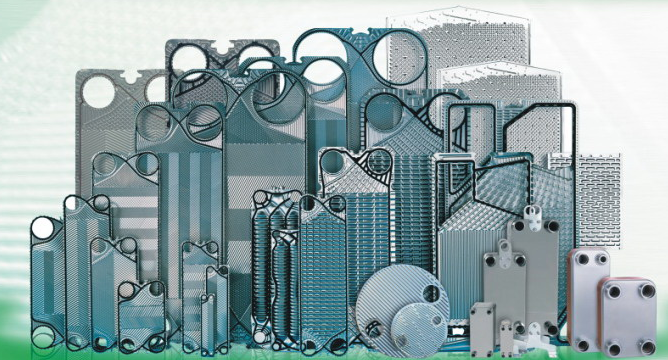
Fig 1: Complete Exploded Mechanical Anatomy of a Gasketed Plate Heat Exchanger (GPHE)
Engineered for Extreme Thermal Duty
When plants experience thermal efficiency drops, inter-channel fluid cross-contamination, or external gasket seepage, sub-standard parts exacerbate downtime. PAL ENGINEERS spares restore design-point heat transfer coefficients (U) and zero-leak reliability.
Engineering Selection Guide: Plates & Gaskets
Selecting the appropriate metallurgy and elastomer is vital to preventing pitting, stress corrosion cracking (SCC), and elastomer embrittlement. Refer to our engineering threshold standards below.
1. Heat Transfer Plate Metallurgy Matrix
| Alloy / Grade | PREN Score | Max Allowable Chloride (25°C) | Max Allowable Chloride (80°C) | Primary Fluid Applications | Corrosion Resistance Profile |
|---|---|---|---|---|---|
| AISI 304 / 304L | ~18.5 | < 150 ppm | < 50 ppm | HVAC, chilled water, lubricating oil, glycol solutions | General atmospheric & non-corrosive industrial cooling |
| AISI 316 / 316L | ~24.5 | < 300 ppm | < 100 ppm | Demineralized water, brewery, dairy, organic acids, cooling tower water | Standard hygienic & chemical duty with moderate chlorides |
| Titanium Gr. 1 / Gr. 2 | N/A (Passive Oxide) | > 30,000 ppm (Seawater) | > 30,000 ppm (Seawater) | Marine cooling, offshore oil & gas, coastal brine, electroplating, hypochlorite | Immune to ambient seawater pitting, chlorination & crevice attack |
| 254 SMO (6% Mo) | > 42.0 | < 5,000 ppm | < 2,000 ppm | Brackish water, flue-gas desulfurization (FGD), bleached paper pulp | Superior pitting resistance exceeding 316L in acidic halide media |
| Hastelloy C-276 | > 68.0 | Concentrated | Concentrated | Hot sulfuric acid (H2SO4), hydrochloric acid (HCl), wet chlorine gas | Ultimate defense against severe reducing & oxidizing hot acid streams |
2. Elastomeric Gasket Operating Parameters
| Elastomer Compound | Continuous Temp Range | Peak Intermittent Temp | Hardness (Shore A) | Compatible Fluids | Incompatible Media |
|---|---|---|---|---|---|
| NBR (Nitrile) | -20°C to +110°C | +135°C | 80 ± 5 | Water, mineral oils, hydraulic fluids, diesel, animal fats | Steam, strong oxidizing acids, ozone, aromatic hydrocarbons |
| Food-Grade NBR (FDA) | -20°C to +110°C | +125°C | 75 ± 5 | Milk, edible vegetable oils, fruit juices, beer, pharmaceuticals | Hot caustic wash > 2%, concentrated nitric acid |
| EPDM (High-Temp) | -35°C to +160°C | +175°C | 80 ± 5 | Low-pressure steam, hot water, dilute acids, caustics, ozone, glycols | Mineral oils, greases, gasoline, chlorinated solvents |
| FKM (Viton A / B / GF) | -10°C to +180°C | +200°C | 85 ± 5 | Hot concentrated inorganic acids, synthetic oils, aromatic solvents | Low-molecular esters, ketones (acetone), polar solvents, steam > 160°C |
| HNBR (Hydrogenated Nitrile) | -30°C to +150°C | +165°C | 80 ± 5 | Sour gas (H2S), crude oil, high-pressure amine solutions | Concentrated nitric acid, strong oxidizing solvents |
Plate Pack Tightening & The A-Dimension Formula
Over 85% of premature PHE failures stem from improper tightening. Under-tightening causes hydrostatic bypass leaks; over-tightening crushes plate corrugations and shears gasket locating lugs.
Calculation of Tightening Dimension (A)
The tightening distance A is measured directly between the inside surfaces of the fixed frame plate and the movable pressure plate:
⚠ Critical Field Tightening Rules
- Cross-Torquing Pattern: Always torque tie bolts diagonally in pairs (Top-Left with Bottom-Right, Top-Right with Bottom-Left) to ensure parallel follower movement.
- Parallelism Tolerance: Maintain the distance A within ± 1.0% across all four corners. Frame plate cocking exceeding 3 mm will buckle plate edges.
- Depressurize Before Tightening: Never tighten tie rods while the unit is under hydraulic pressure or hot fluid circulation. Vent both channels to 0 bar first.
- Never Exceed Amin: Stop tightening when Amin is reached. If the unit still weeps at Amin, the gaskets have taken permanent compression set and must be replaced.
Our 6-Step Certified PHE Refurbishment Protocol
When plant shutdown schedules demand flawless turnaround, PAL ENGINEERS executes our ISO-audited plate reconditioning and regasketing workflow.
Chemical Soak & Ultrasonic Descaling
Plates are submerged in temperature-controlled agitated chemical vats with proprietary chelating agents to safely dissolve mineral scale, calcium carbonate, and biofilm without attacking parent metallurgy.
Liquid Penetrant Dye Testing (PT)
100% of plates undergo UV fluorescent dye-penetrant examination (ASTM E1417) to uncover microscopic pinholes, stress fatigue micro-cracks, and chemical pitting that are invisible to the naked eye.
Surface Neutralization & High-Pressure Wash
Plates pass through alkaline neutralizing baths followed by a 150-bar demineralized water power-wash to strip residual chemicals and guarantee pristine gasket groove bonding surfaces.
Precision Gasket Installation
New virgin elastomer gaskets are mounted. Clip-on profiles are snap-locked with calibrated tooling; glue-on profiles use two-component high-temperature heat-resistant adhesive applied uniformly.
Thermostatic Oven Clamp-Curing
Adhesive-bonded plates are locked in pneumatic compression jigs and baked in our thermostatically controlled convection oven at 140°C for 4 hours to achieve maximum adhesive shear strength.
Assembly & Hydrostatic Proof Testing
Plates are numbered, reassembled into the frame, torqued to exact design dimension A, and hydro-tested up to 1.5x design pressure (up to 50 bar) with cold water for 60 minutes with zero pressure drop.
Request Spares Cross-Reference & Pricing
Can't find your exact model or need custom re-gasketing? Share your equipment nameplate photo or operating parameters with our thermal engineering desk for immediate identification.
PHE Maintenance & Spares FAQ
Expert answers to critical operational, metallurgical, and sizing queries asked by plant maintenance engineers.