Brazed Plate Heat Exchangers
Hermetically Sealed, Ultra-Compact Design for Leak-Proof Thermal Transfer under Extreme Pressures.
Get a Custom Engineering Quote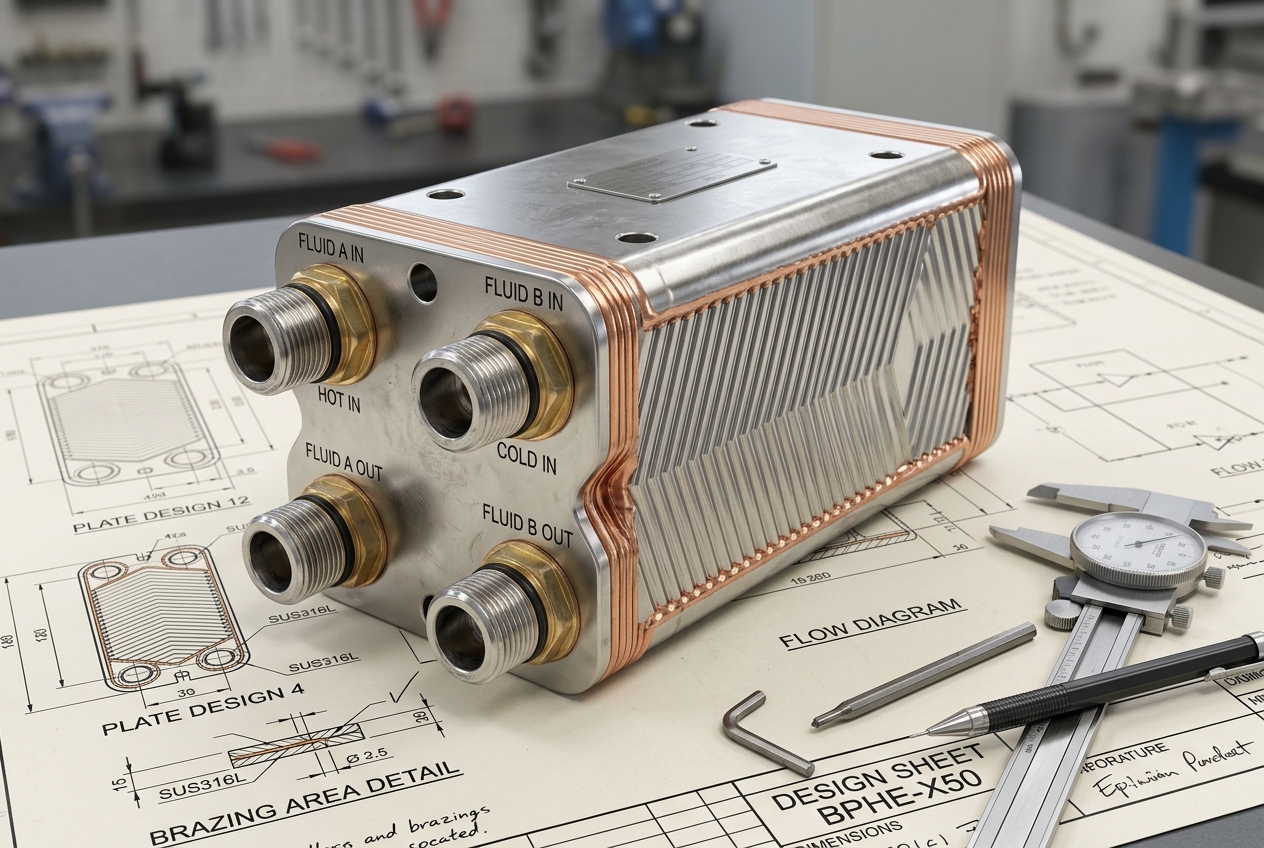
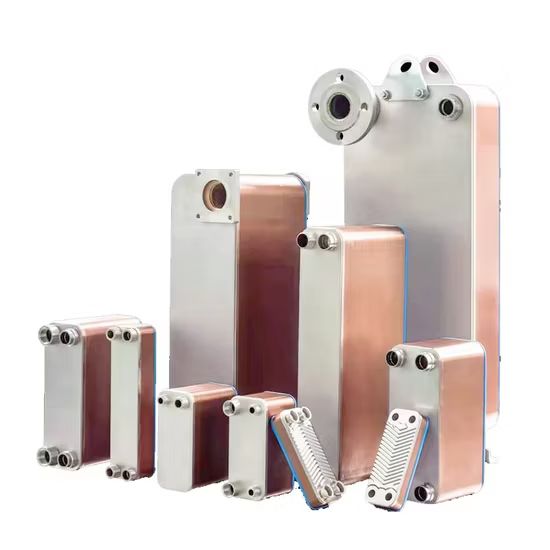
Technical Overview
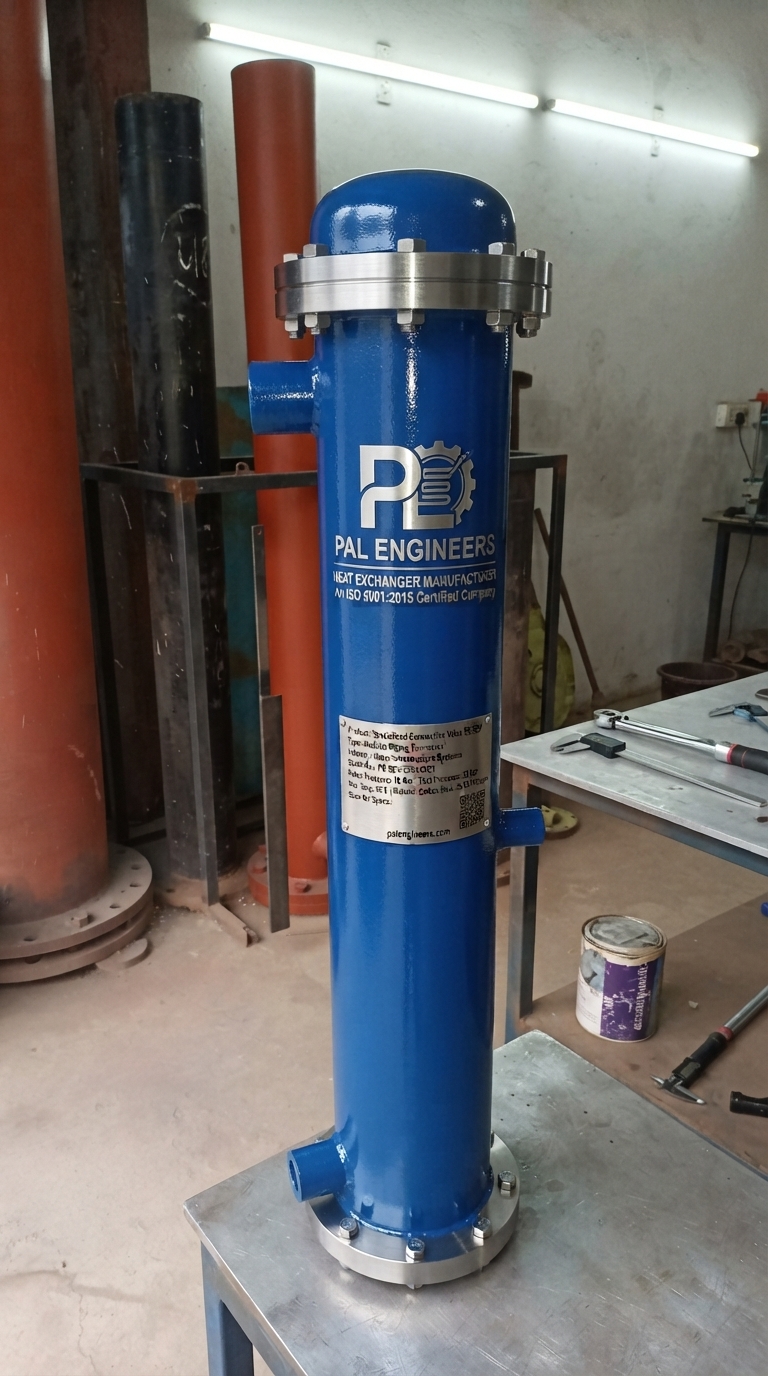
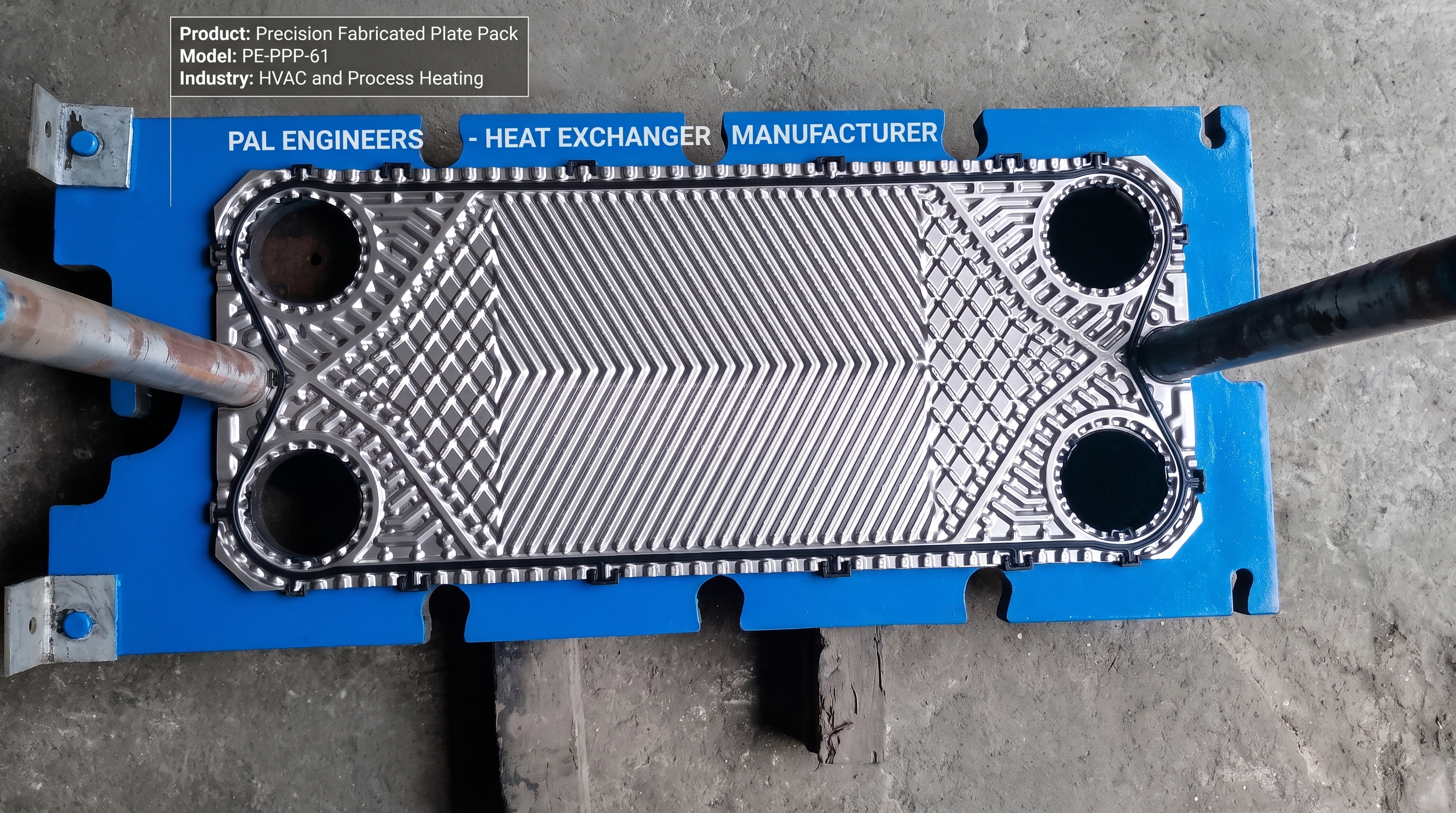
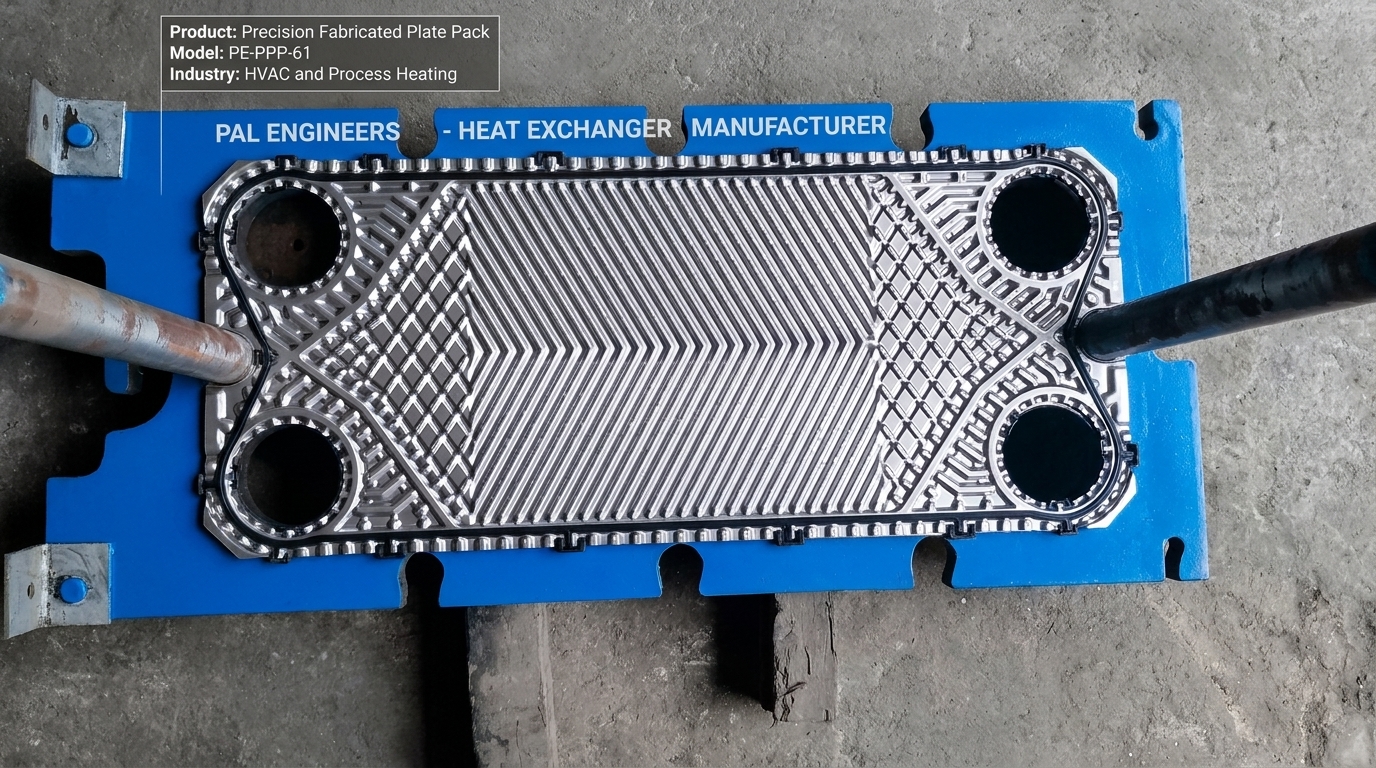
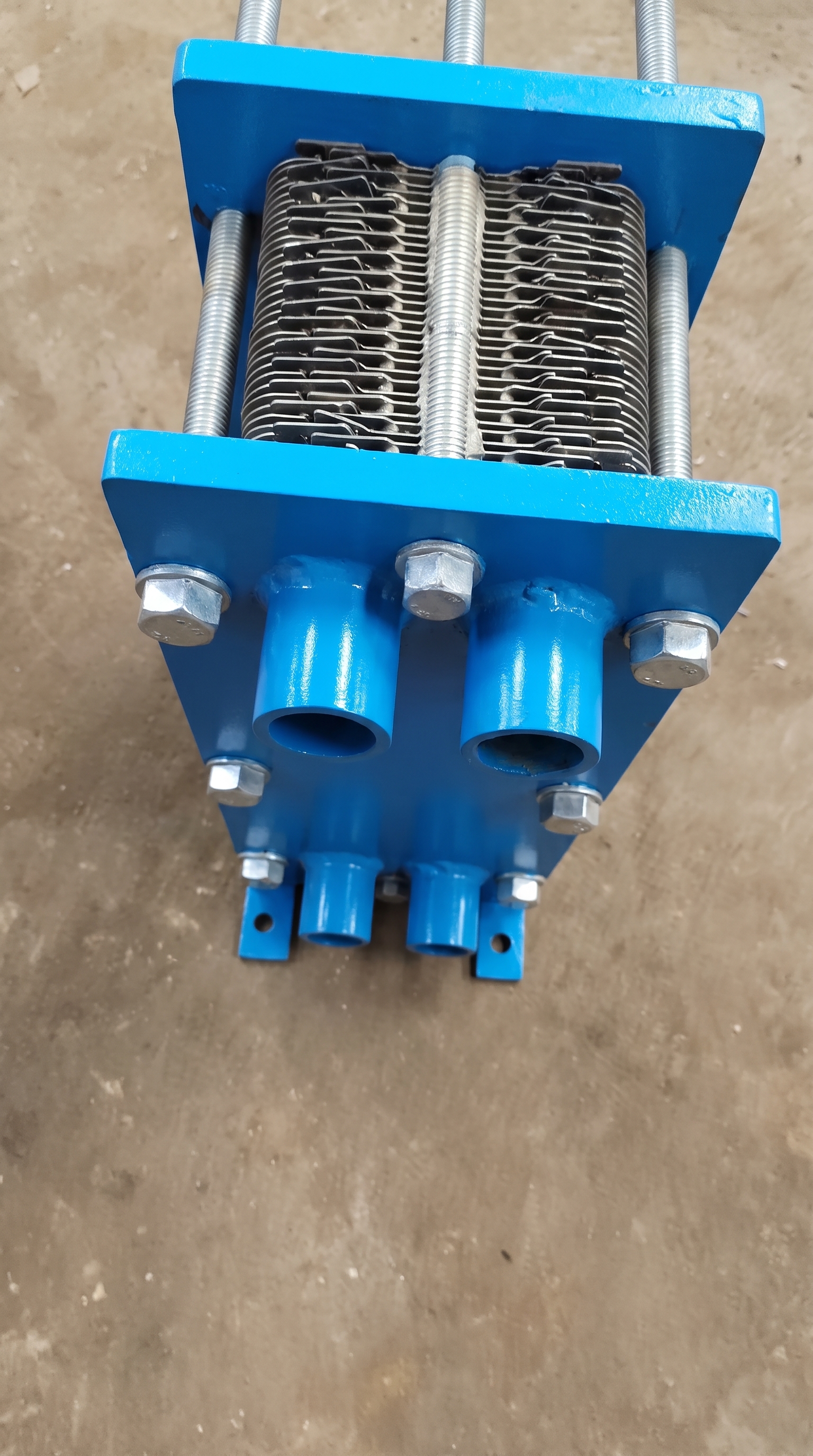
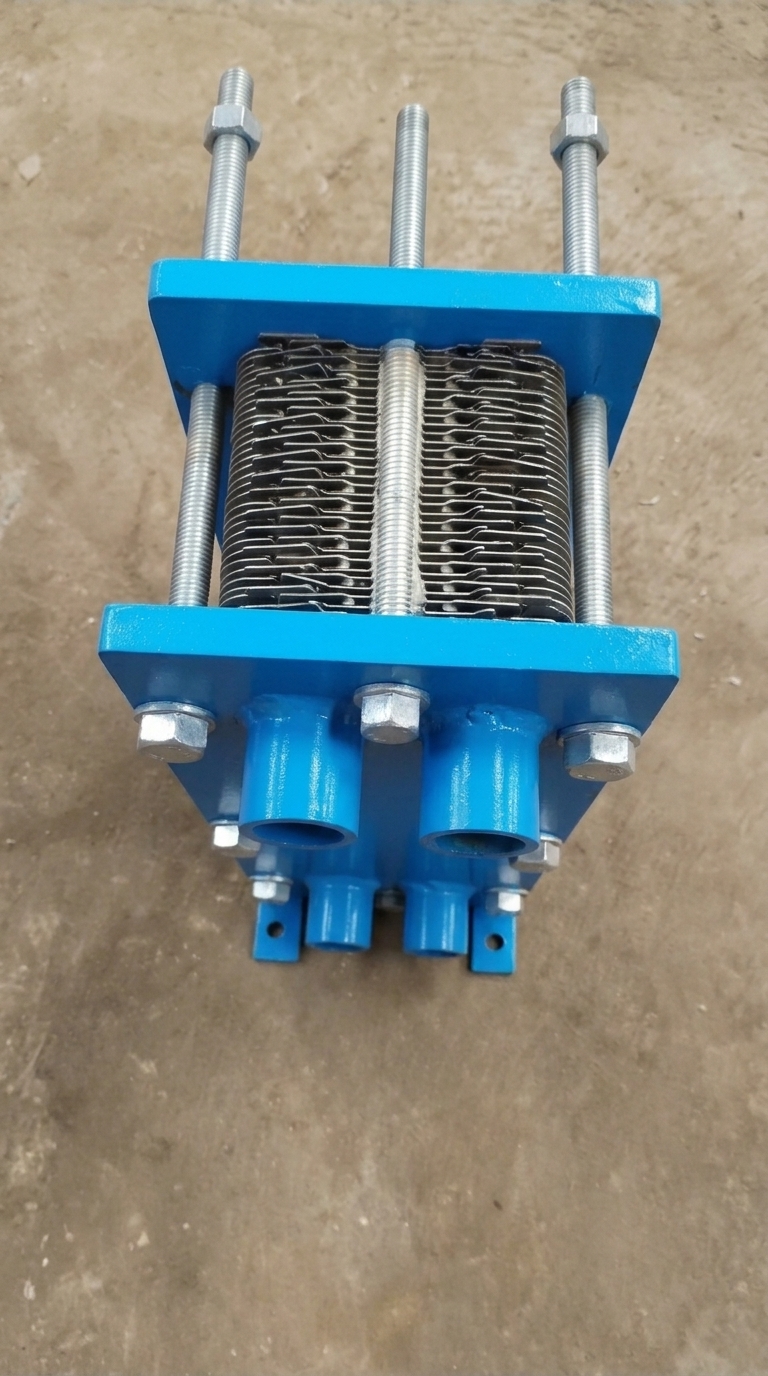
Our Advanced Brazed Plate Heat Exchangers (BPHE) entirely eliminate the need for gaskets and frame parts through a precise vacuum-brazing process. By fusing corrugated stainless steel plates with pure copper or nickel filler, we create an exceptionally compact, highly pressure-resistant, and 100% leak-proof vessel. This architecture maximizes thermal efficiency while ensuring zero fluid cross-contamination.
Engineering Specifications
| Max Design Pressure | 45 BAR Standard (Custom CO2 units up to 130 BAR) |
| Test Pressure | 65 BAR (Hydrostatically Tested) |
| Temperature Range | -196°C to +225°C |
| Brazing Material | 99.9% Pure Copper / High-Strength Nickel Alloys |
| Plate Material | AISI 316L Stainless Steel |
| Connections | Threaded (NPT/BSP), Flanged, or Soldered Stubs |
Industries & Applications Served
HVAC & District Heating
Highly efficient heat transfer for central heating networks, domestic hot water generation, and radiant floor systems.
Refrigeration Systems
Acts as high-performance evaporators, condensers, and sub-coolers in modern eco-friendly chiller plants.
Hydraulic Oil Cooling
Maintains optimal fluid viscosity in heavy machinery, presses, and injection molding equipment by dissipating intense thermal loads.
Laser & Medical Cooling
Delivers precise temperature control for industrial cutting lasers and sensitive medical imaging machinery.
Why Choose PAL Engineers
Absolute Containment
By eliminating elastomer gaskets, vacuum-brazed joints ensure total media isolation, reducing maintenance to zero and completely preventing leaks even under harsh pressure cycling.
Maximum Thermal Density
The elimination of clamping frames allows for an incredibly compact design. Our BPHE units provide the highest heat transfer area per unit volume in the industry, saving critical space.
Cryogenic Resilience
Engineered to safely endure massive temperature differentials without structural fatigue, making them perfectly suited for liquid nitrogen evaporation and phase-change refrigeration loops.