Titanium GPHE Systems
Absolute Corrosion Immunity for Seawater, Brine, and Harsh Marine Environments.
Get a Custom Engineering Quote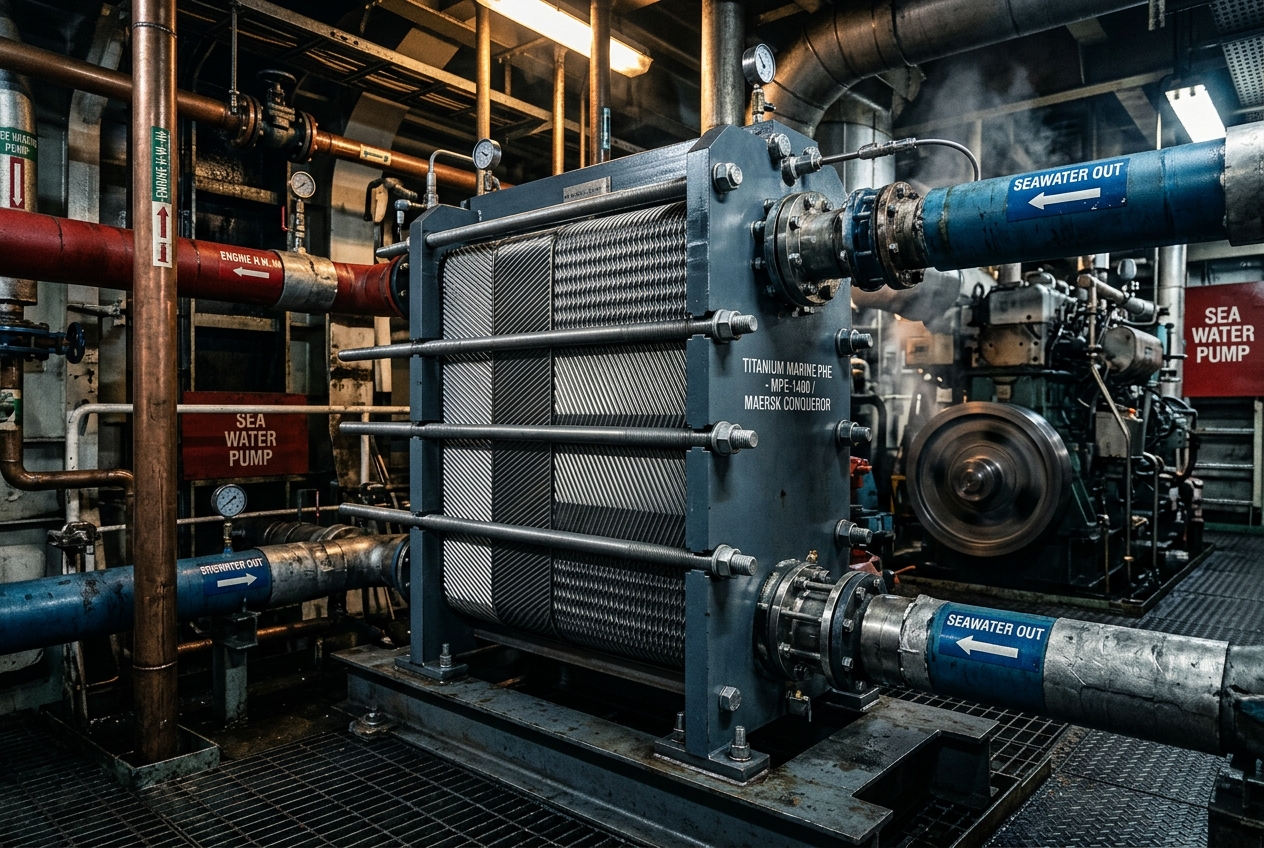
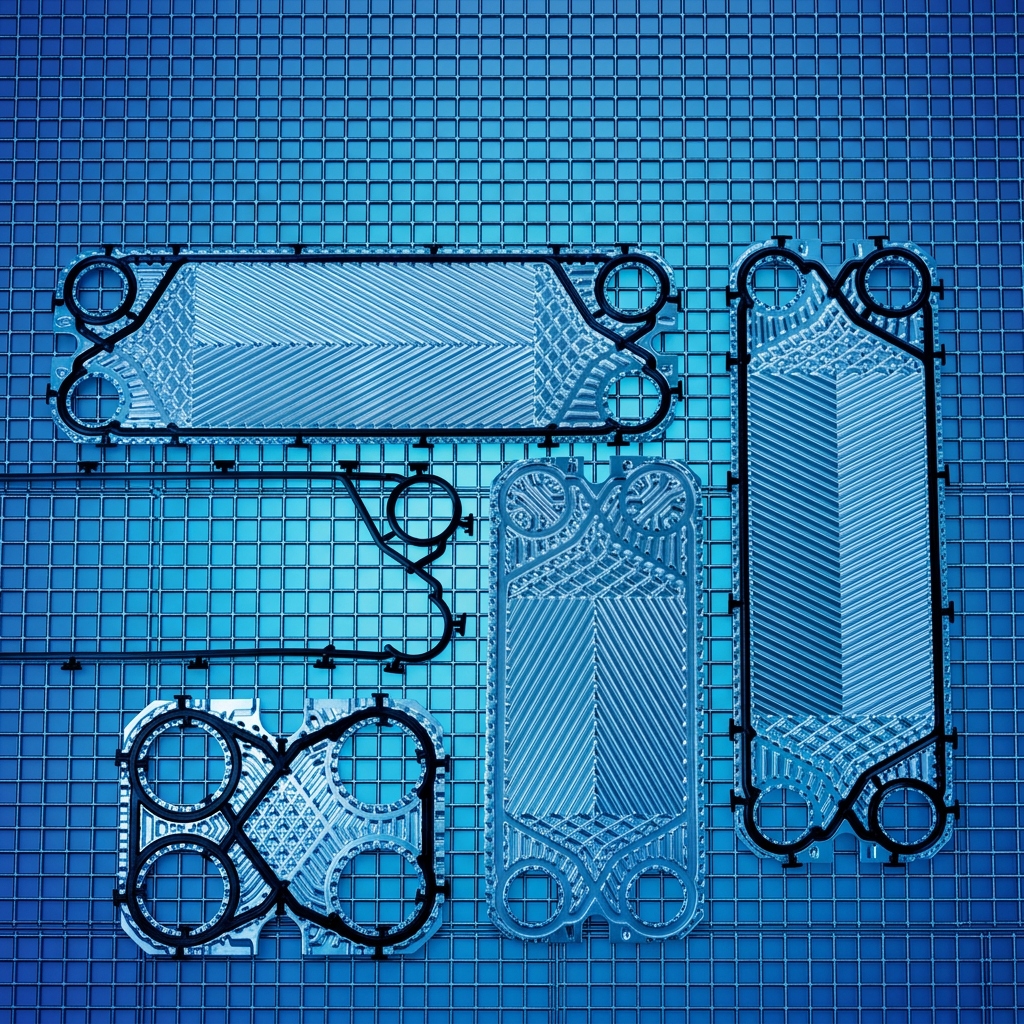
Technical Overview
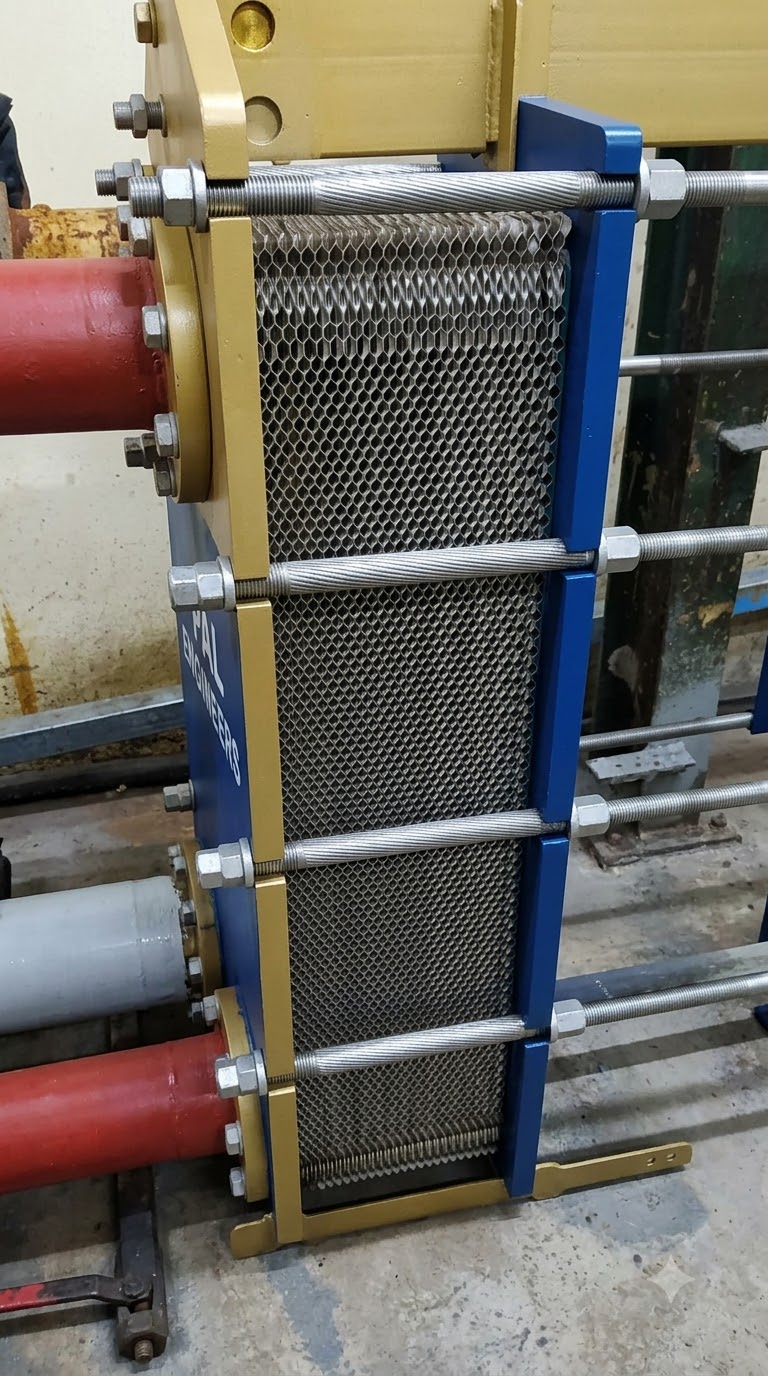
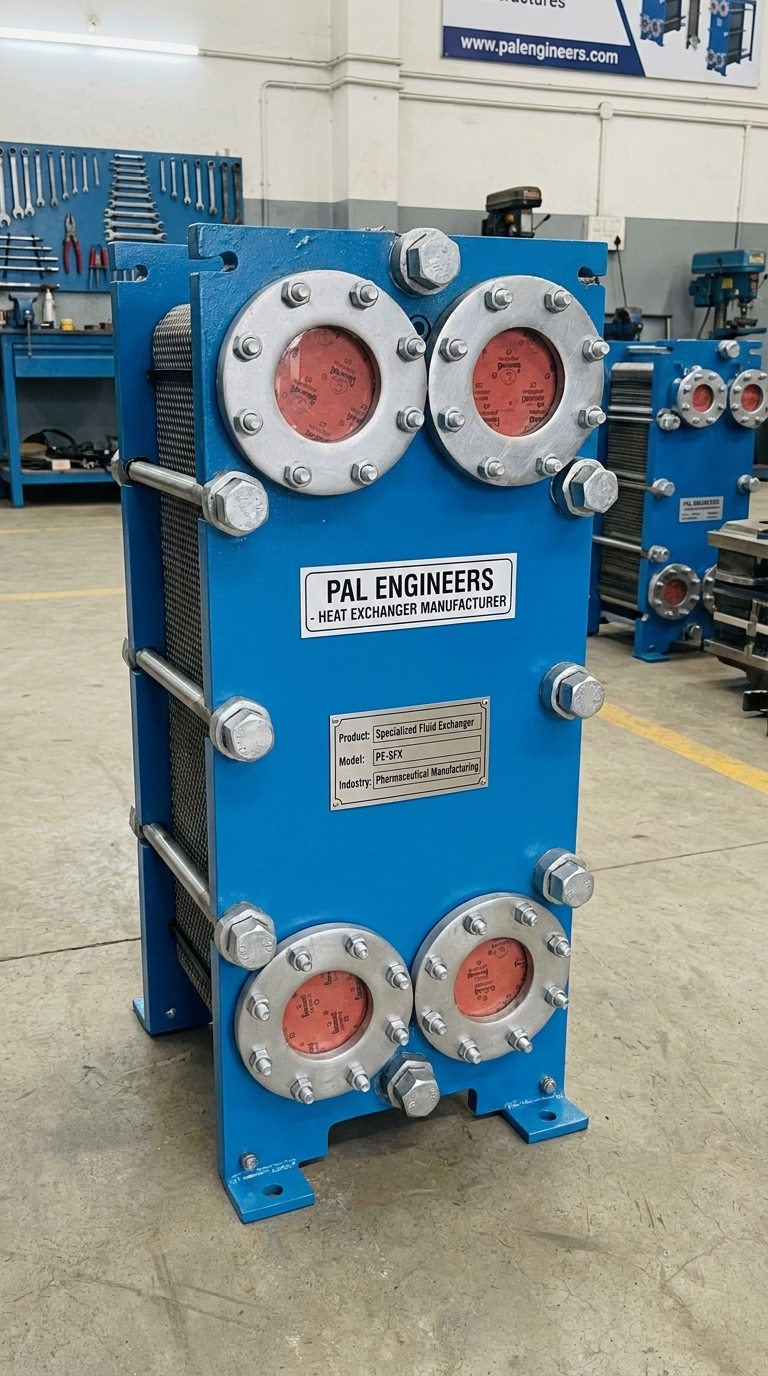
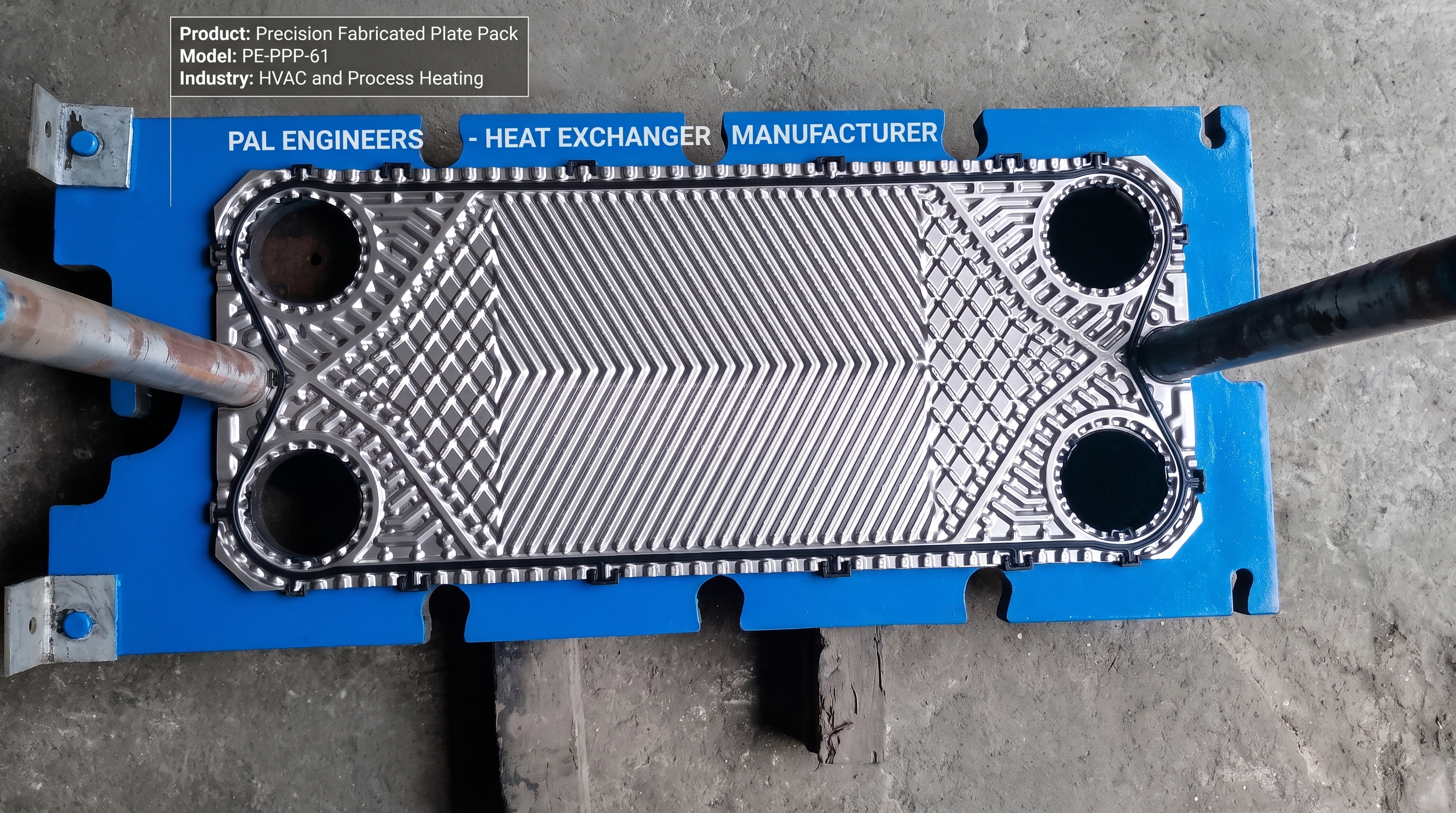
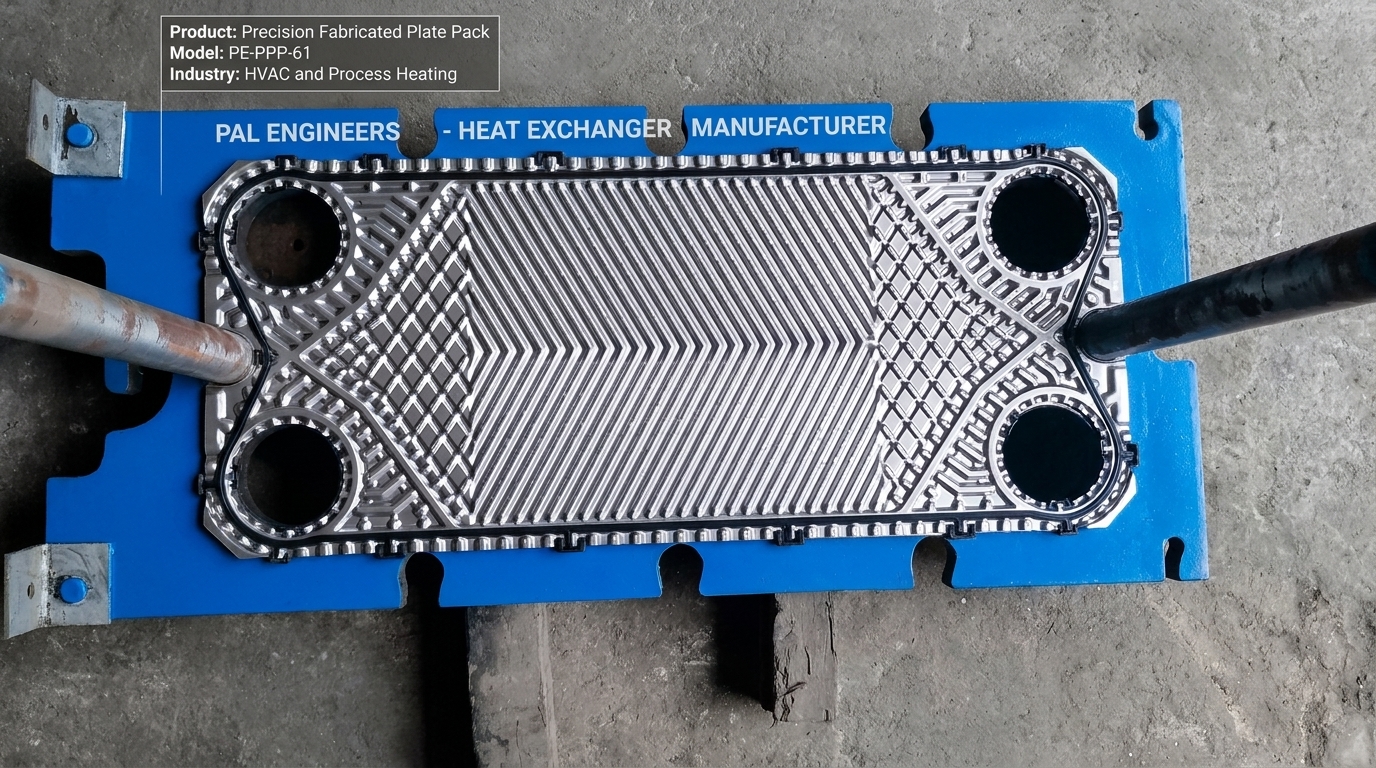
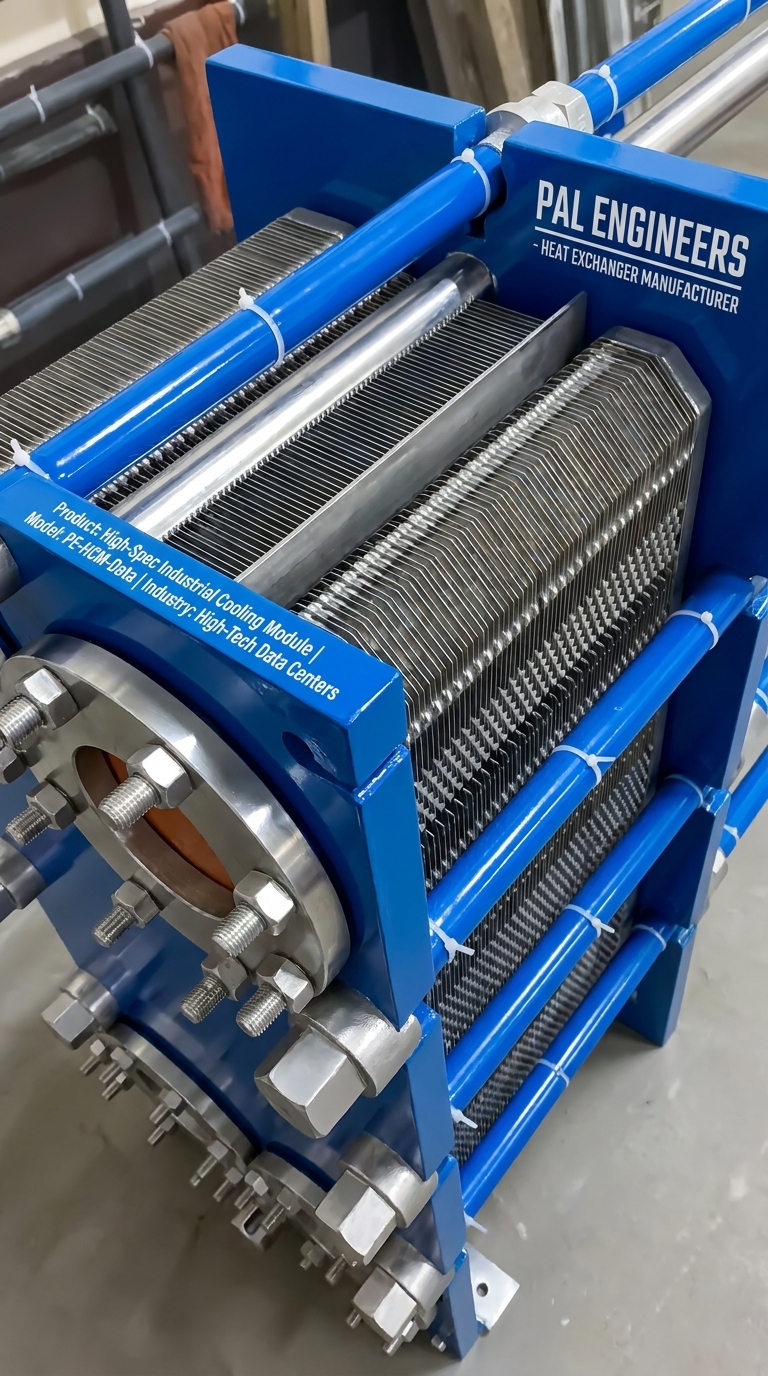
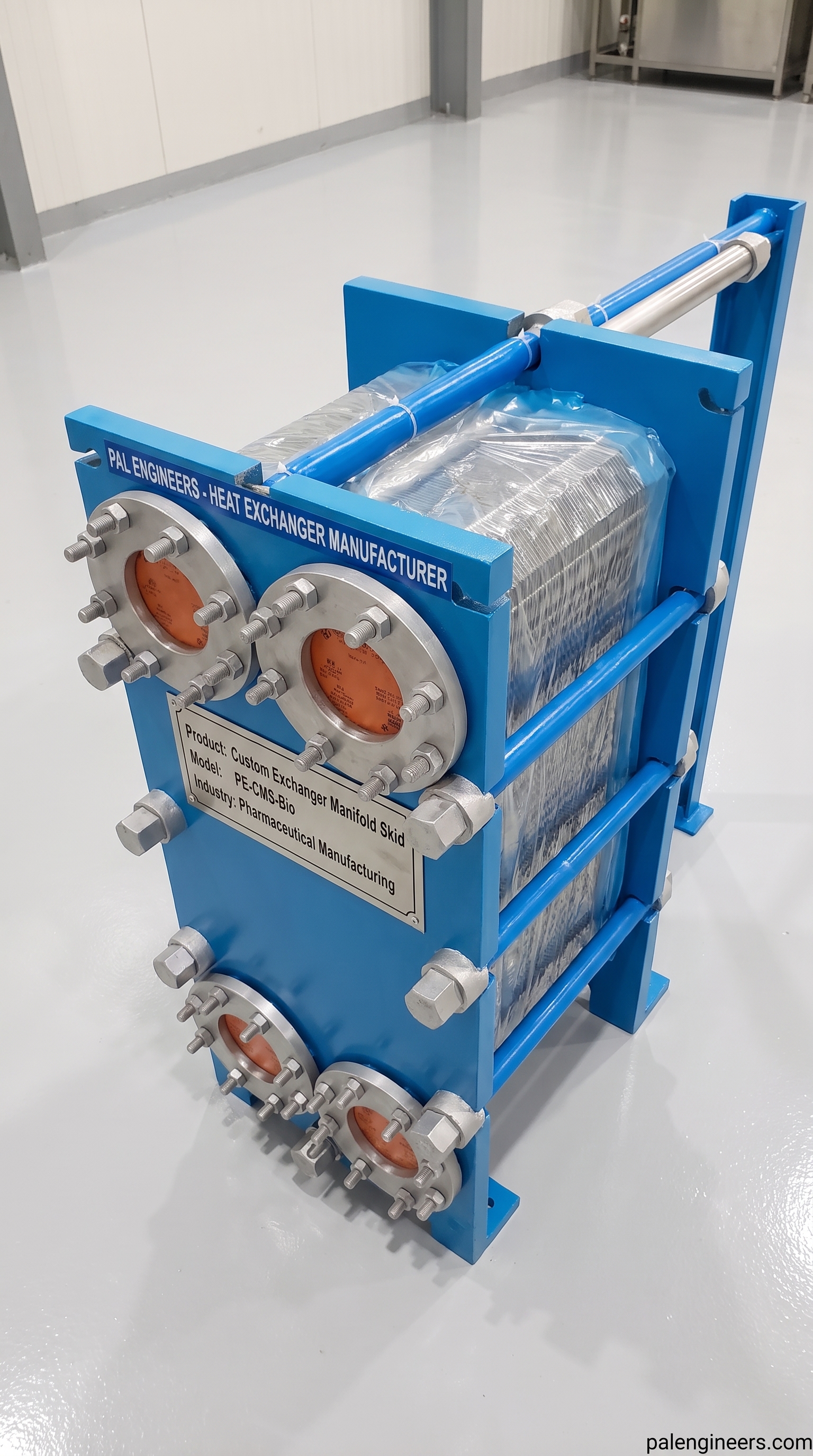
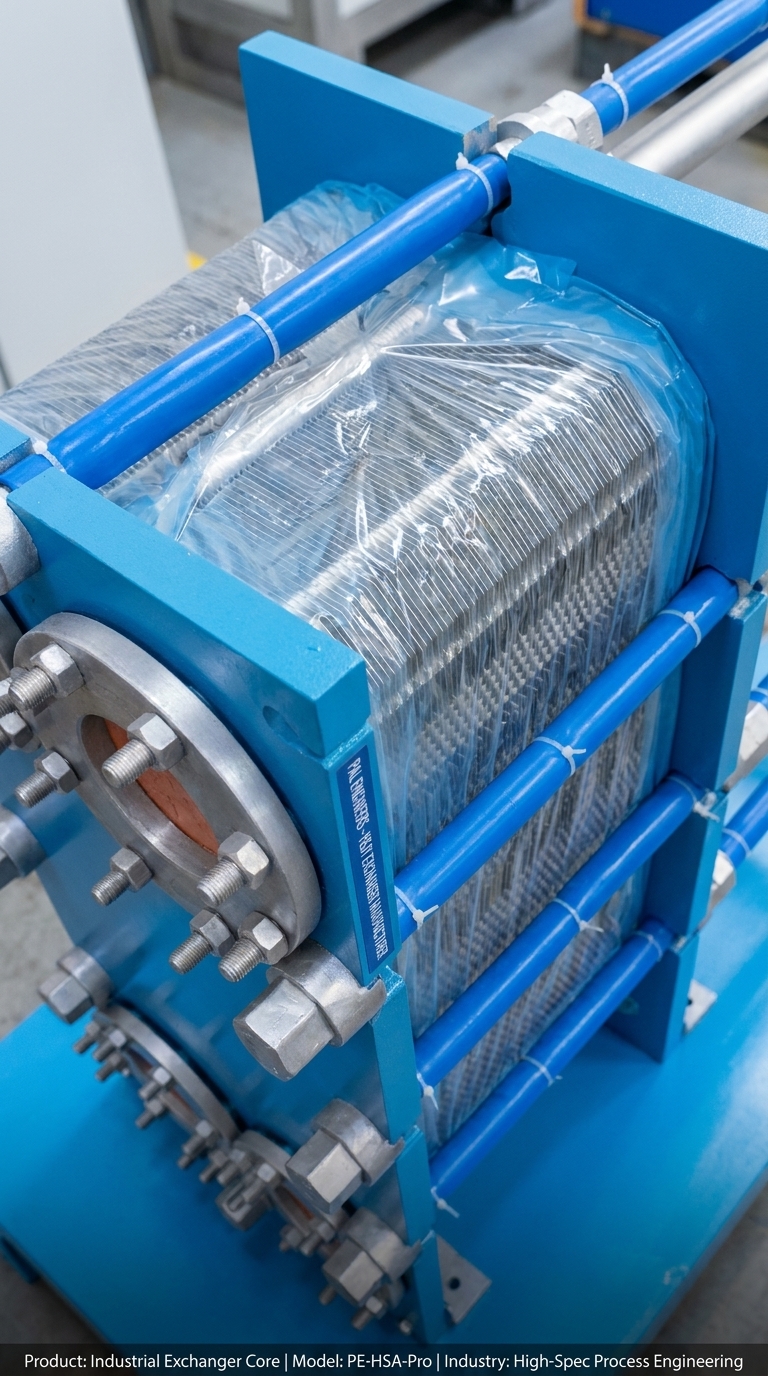
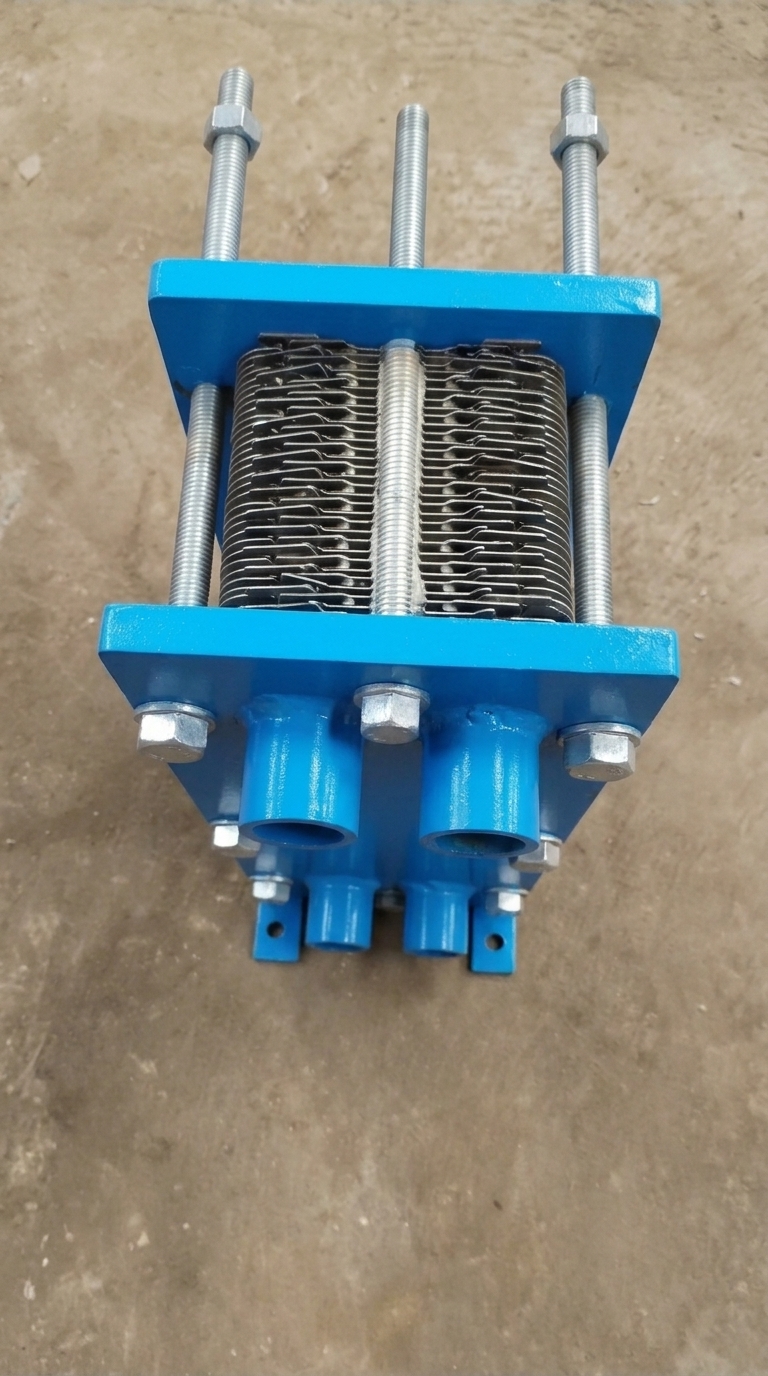
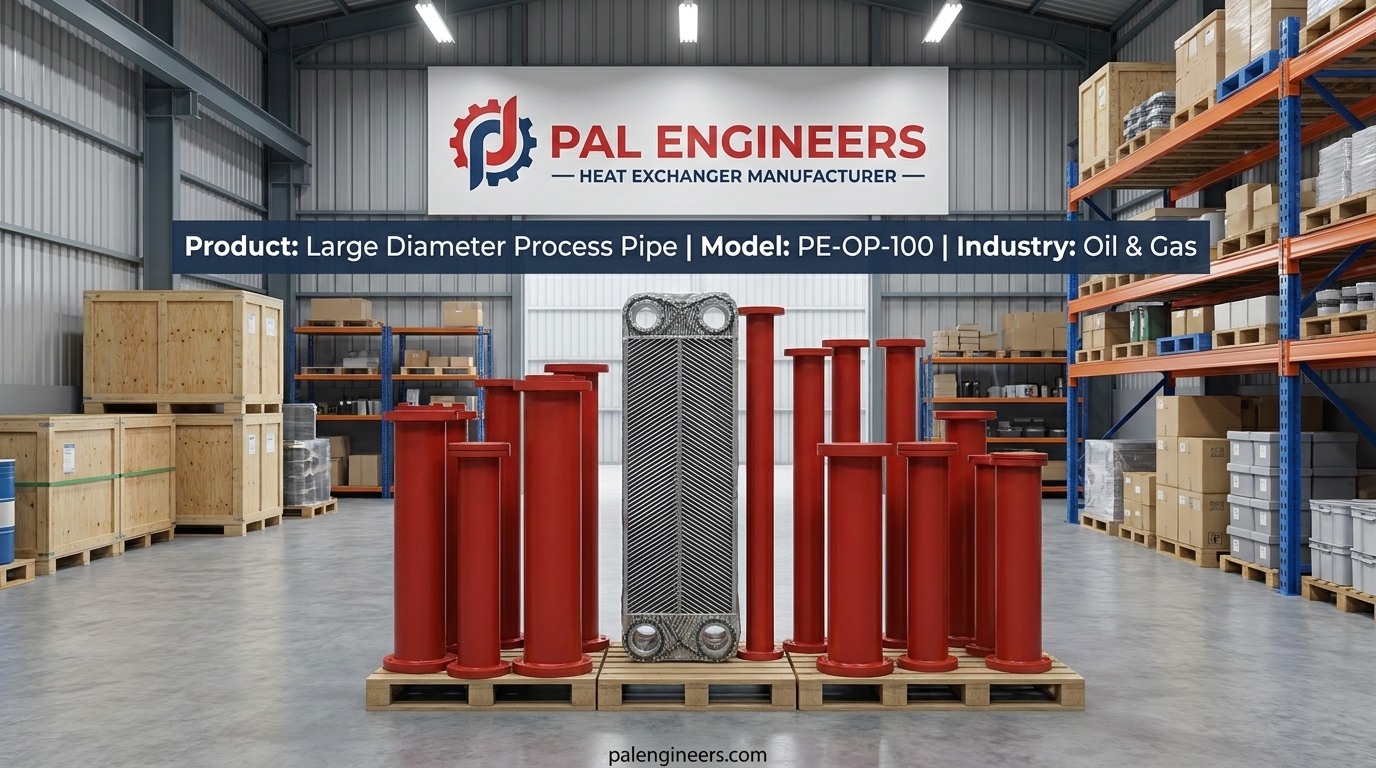
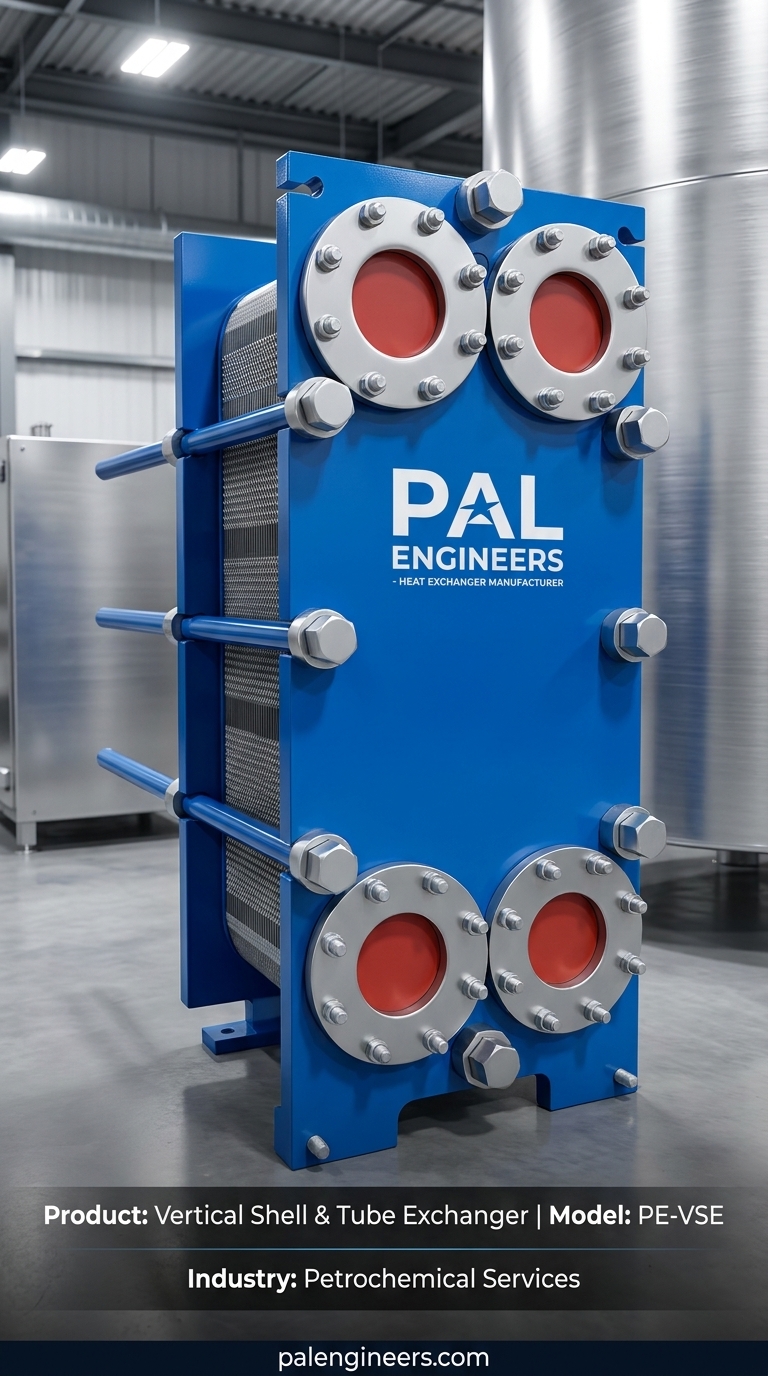
Our Titanium Plate Heat Exchangers are forged from high-purity ASTM B265 Grade 1 Titanium. Engineered specifically to combat the highly destructive nature of chloride ions, these units offer absolute immunity to pitting and crevice corrosion. They are the definitive thermal management solution for saltwater cooling loops, offshore platforms, and aggressive chemical refining.
Engineering Specifications
| Plate Material Grade | ASTM B265 Grade 1 Titanium (Pure) |
| Corrosion Resistance | Immune to Chloride pitting up to 130°C |
| Max Operating Pressure | 25 BAR |
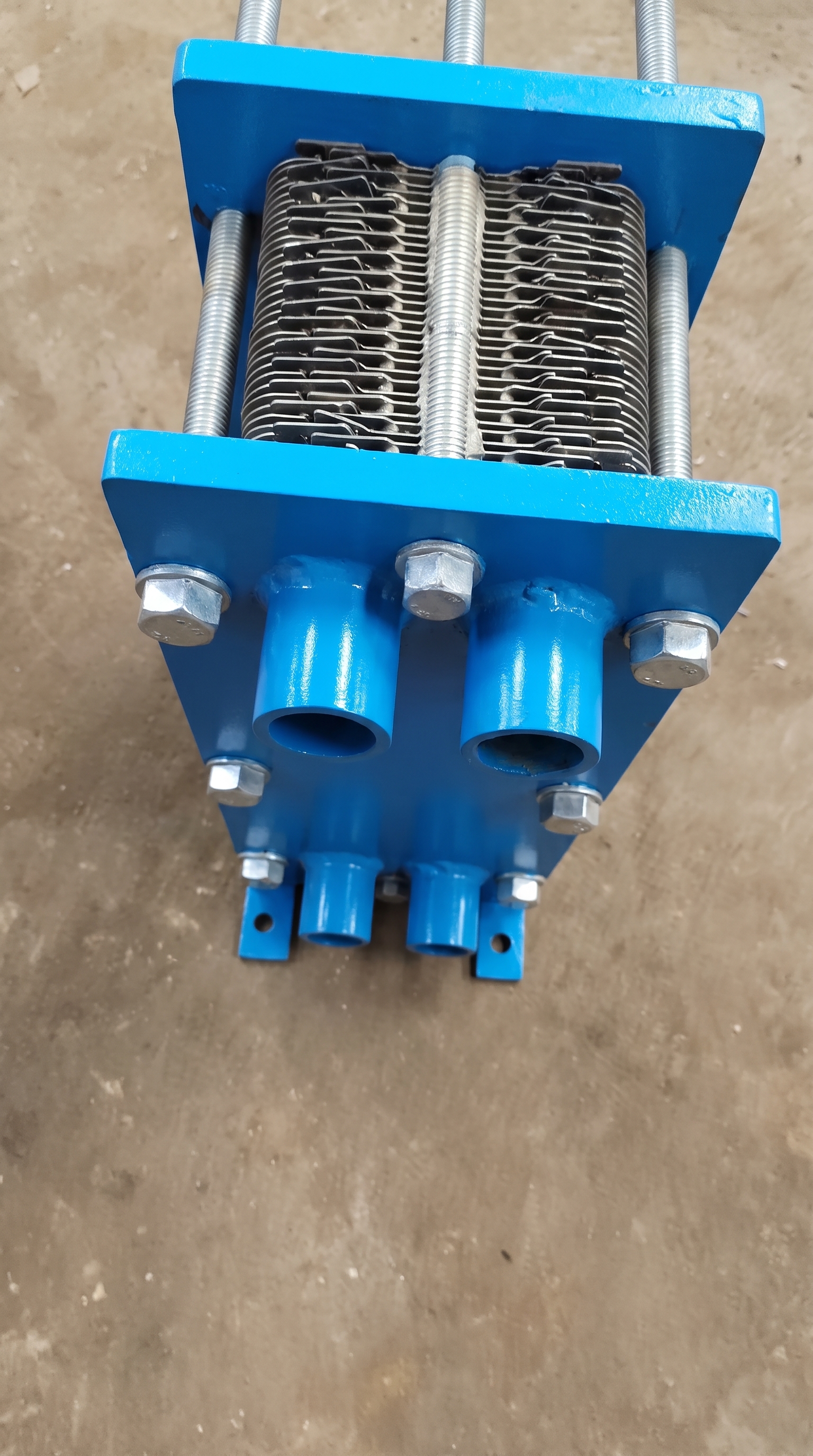
| Frame Coating | Marine-grade C5-M Epoxy Paint System |
| Gasket Options | NBR, EPDM, Viton-G (Clip-on design) |
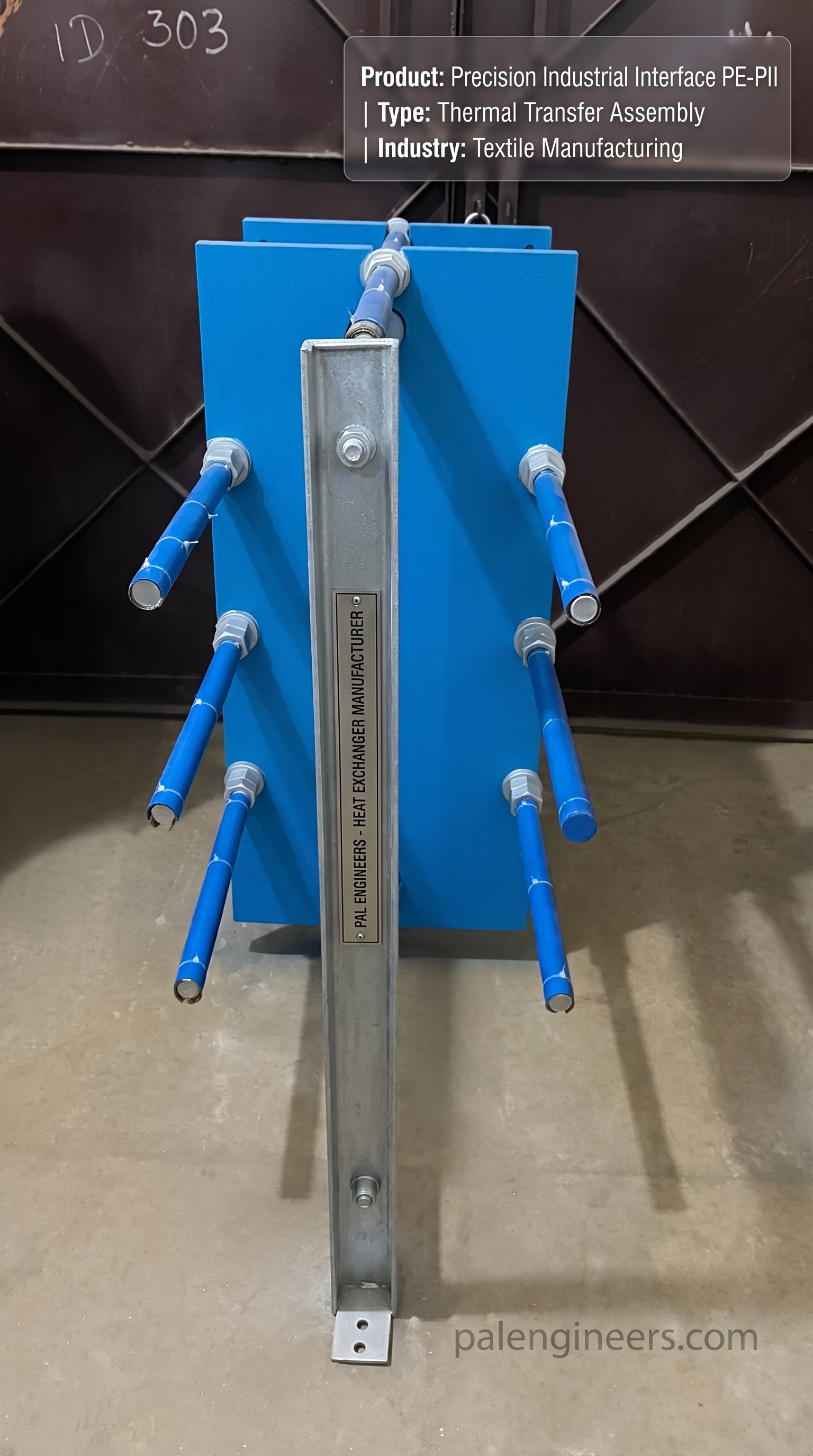
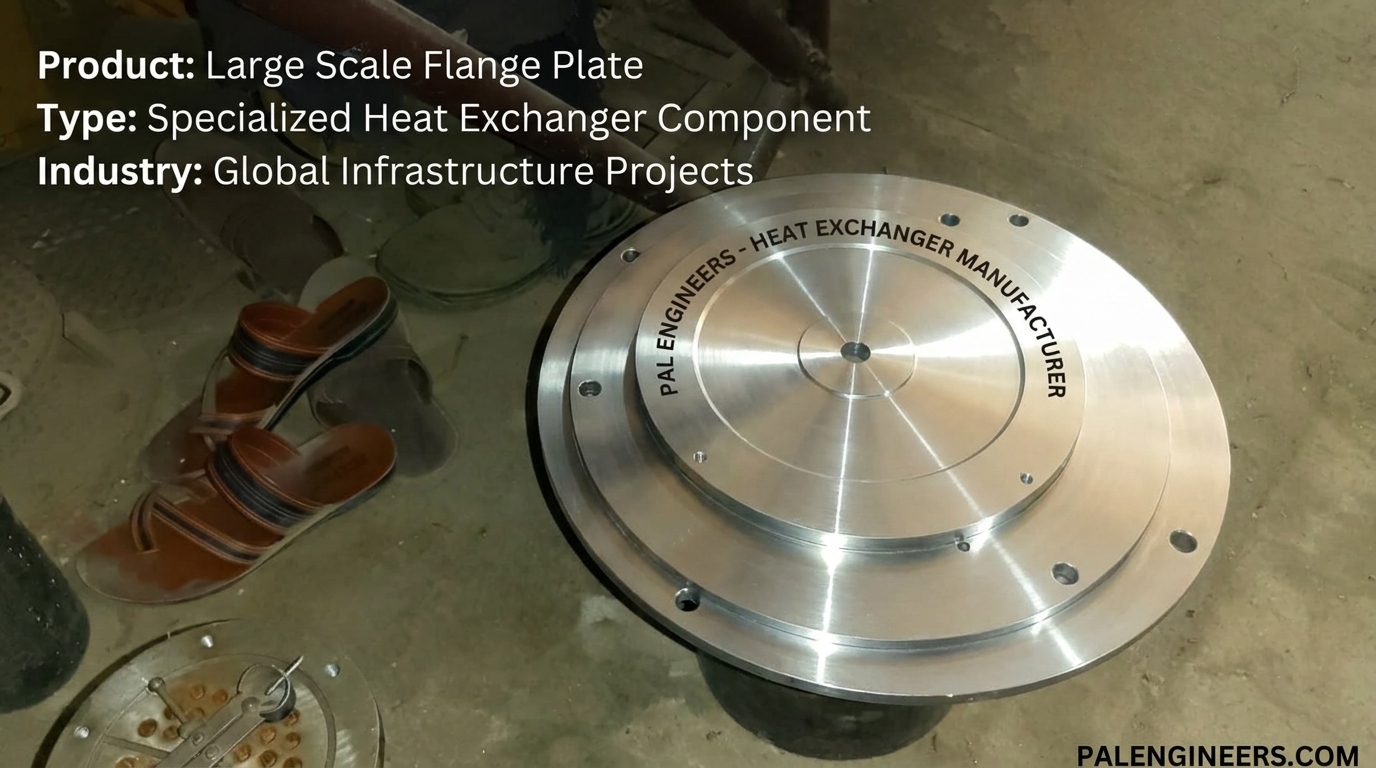
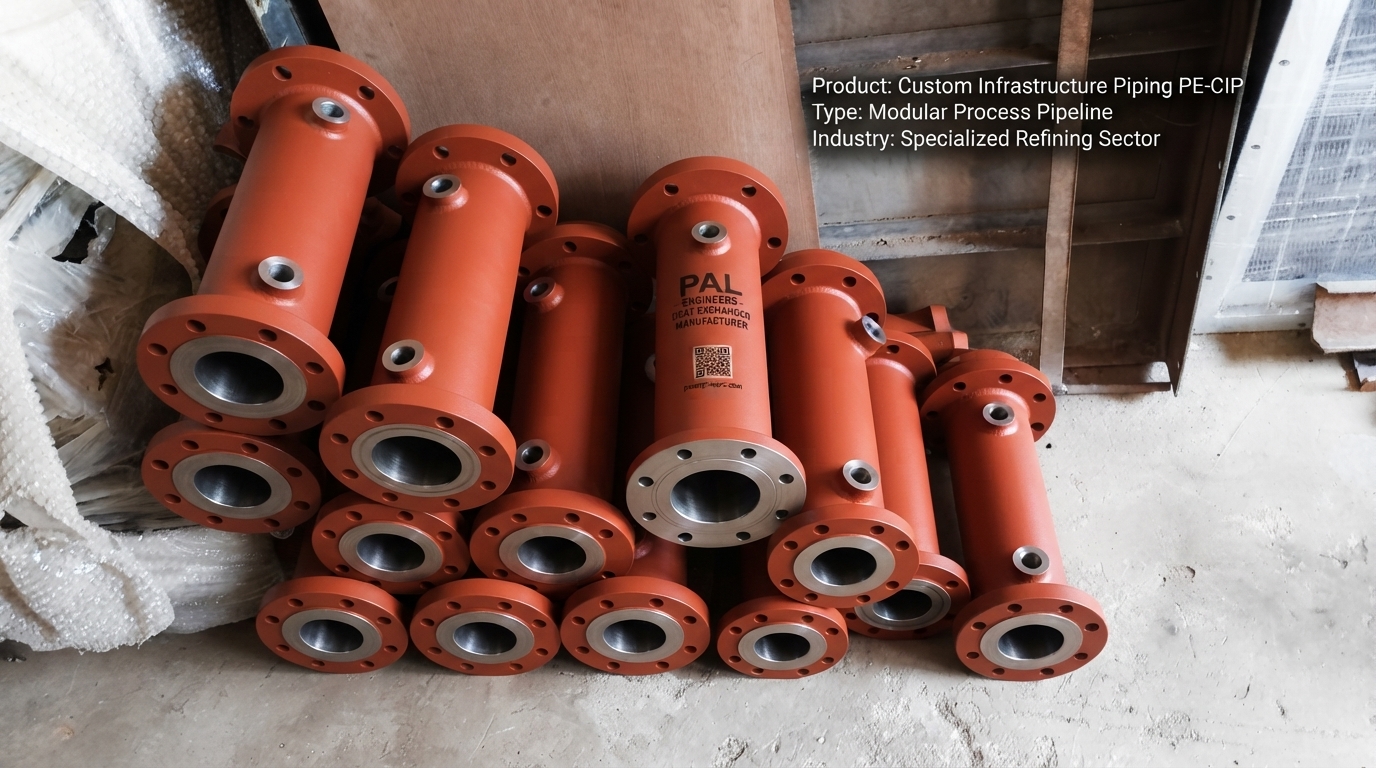
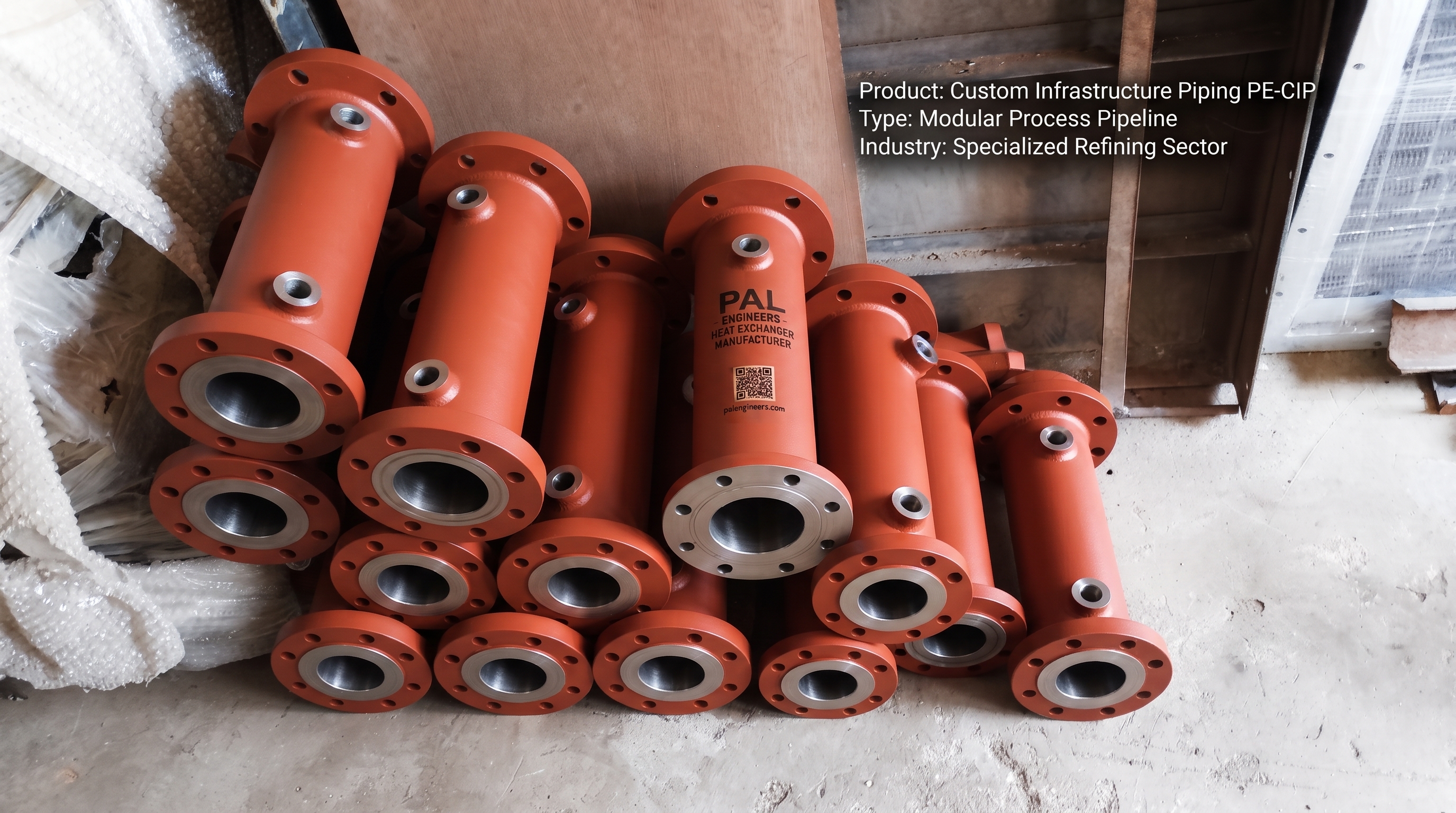
| Connection Types | Titanium-lined flanged connections |
Industries & Applications Served
Marine & Offshore
Main engine jacket water cooling, lube oil cooling, and central HVAC systems aboard commercial vessels and oil rigs.
Desalination Plants
Handles highly concentrated hot brine efficiently during reverse osmosis and thermal desalination processes.
Chlor-Alkali Processing
Safely cools wet chlorine gas, sodium hypochlorite, and caustic soda without suffering metallurgical degradation.
Coastal Power Generation
Acts as the primary heat sink for power plants utilizing raw ocean water for once-through turbine condenser cooling.
Why Choose PAL Engineers
Total Chloride Immunity
Unlike stainless steel, Grade 1 Titanium naturally forms a tenacious, self-healing oxide layer that completely stops pitting and stress corrosion cracking in high-chloride saltwater environments.
Lightweight Deck Footprint
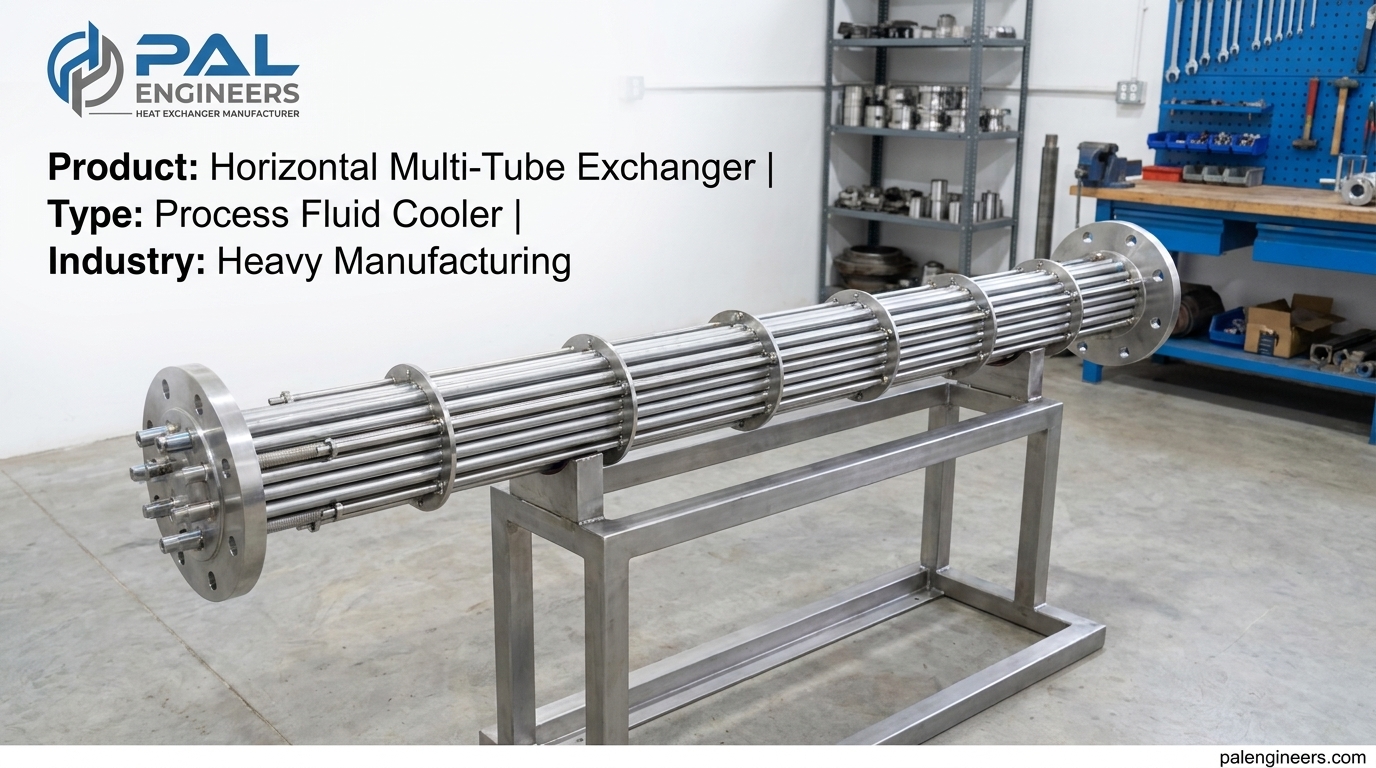
Titanium plates are significantly lighter and vastly more thermally efficient than traditional copper-nickel shell and tube bundles, freeing up critical weight and space on marine vessels.
Uncompromised Longevity
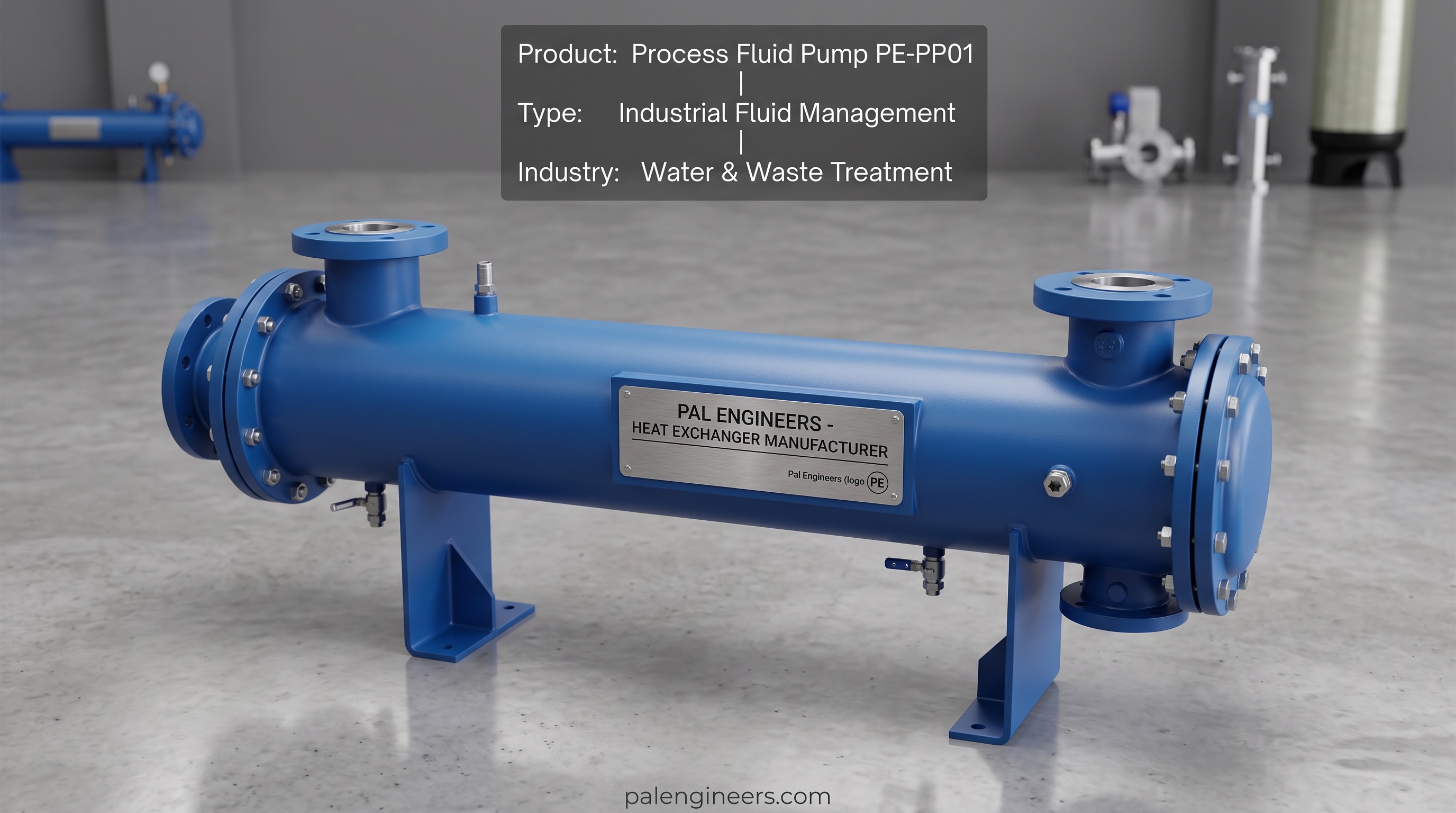
Built with marine-grade C5-M epoxy-coated frames and titanium-lined ports, our systems are engineered to outlast the operational lifespan of the vessels and plants they serve.