Wide-Gap GPHE Systems
Ultra-efficient, clog-resistant heat transfer engineered specifically for highly viscous fluids, fibrous slurries, and severe fouling media.
Discuss with Engineers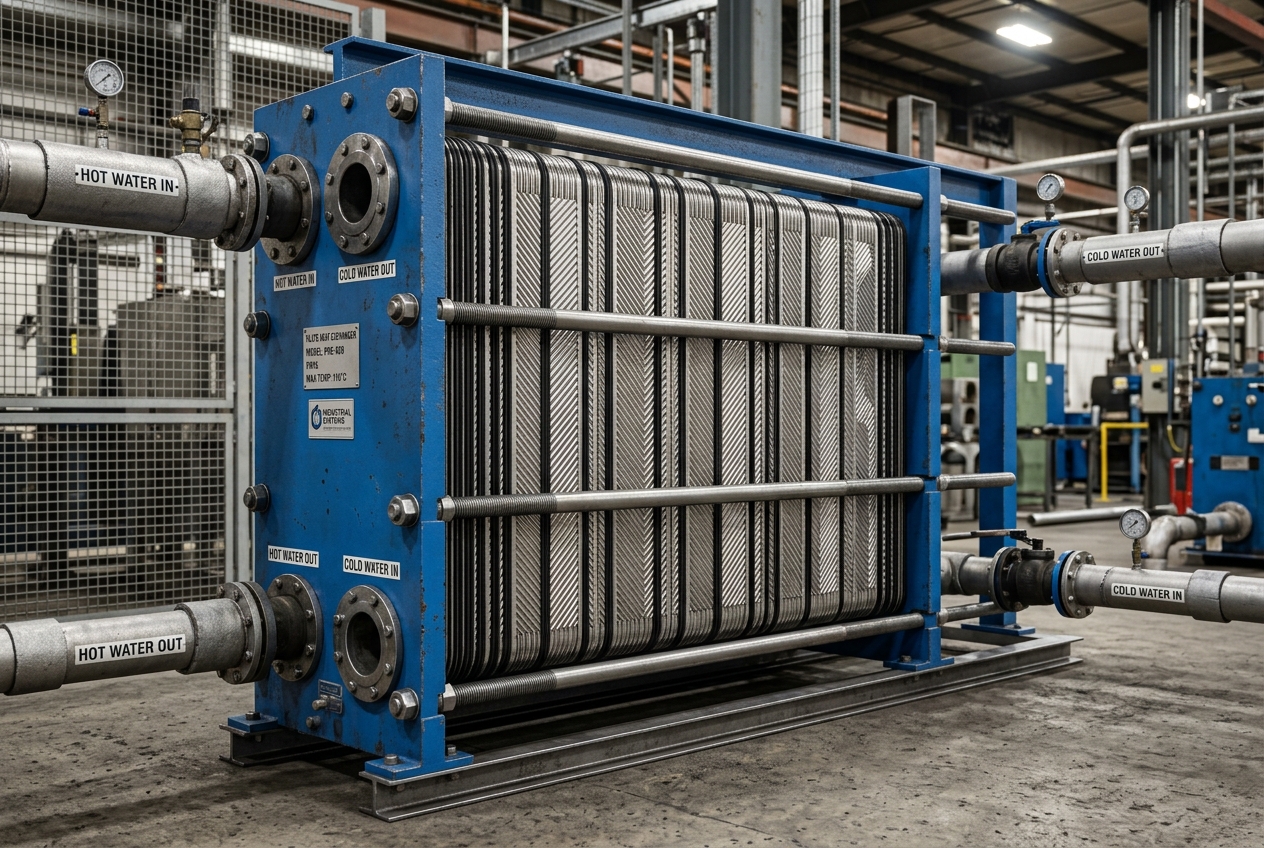

Technical Overview
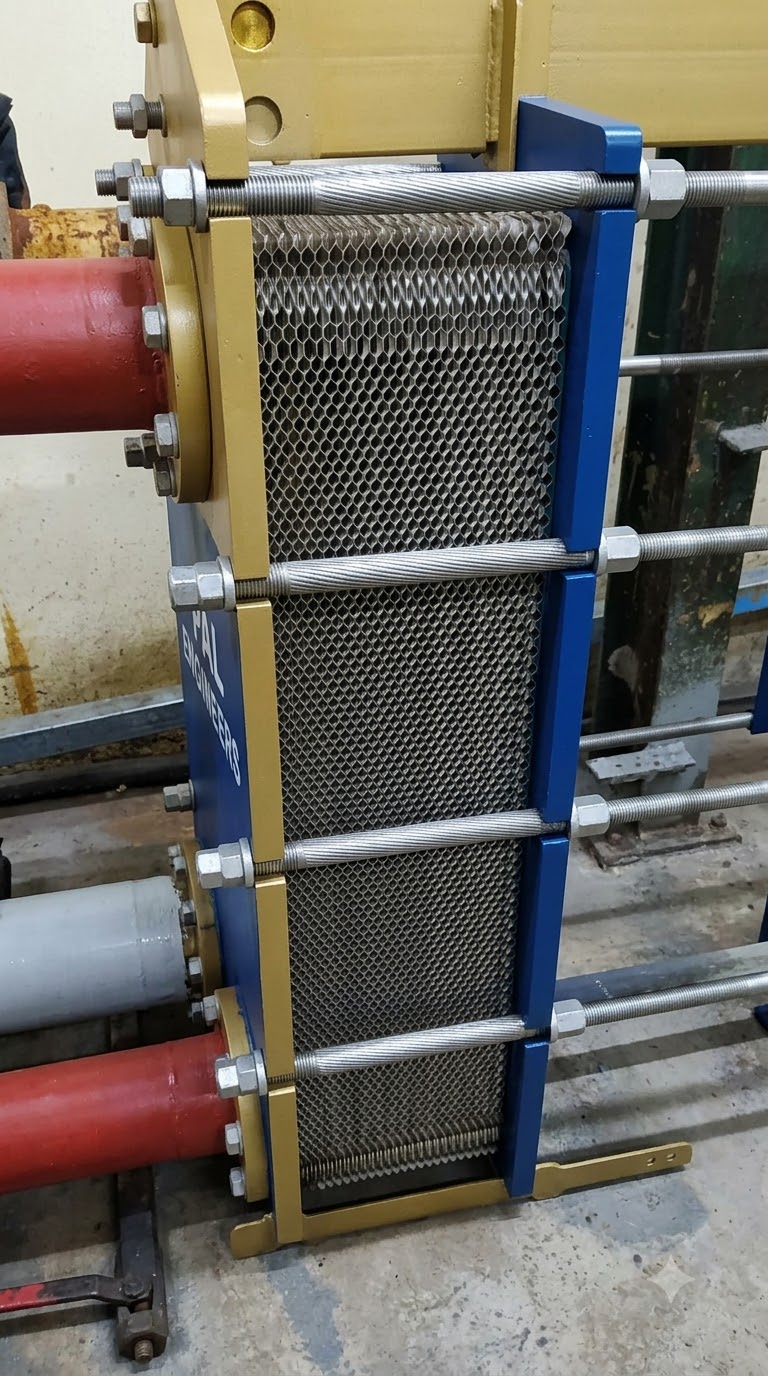
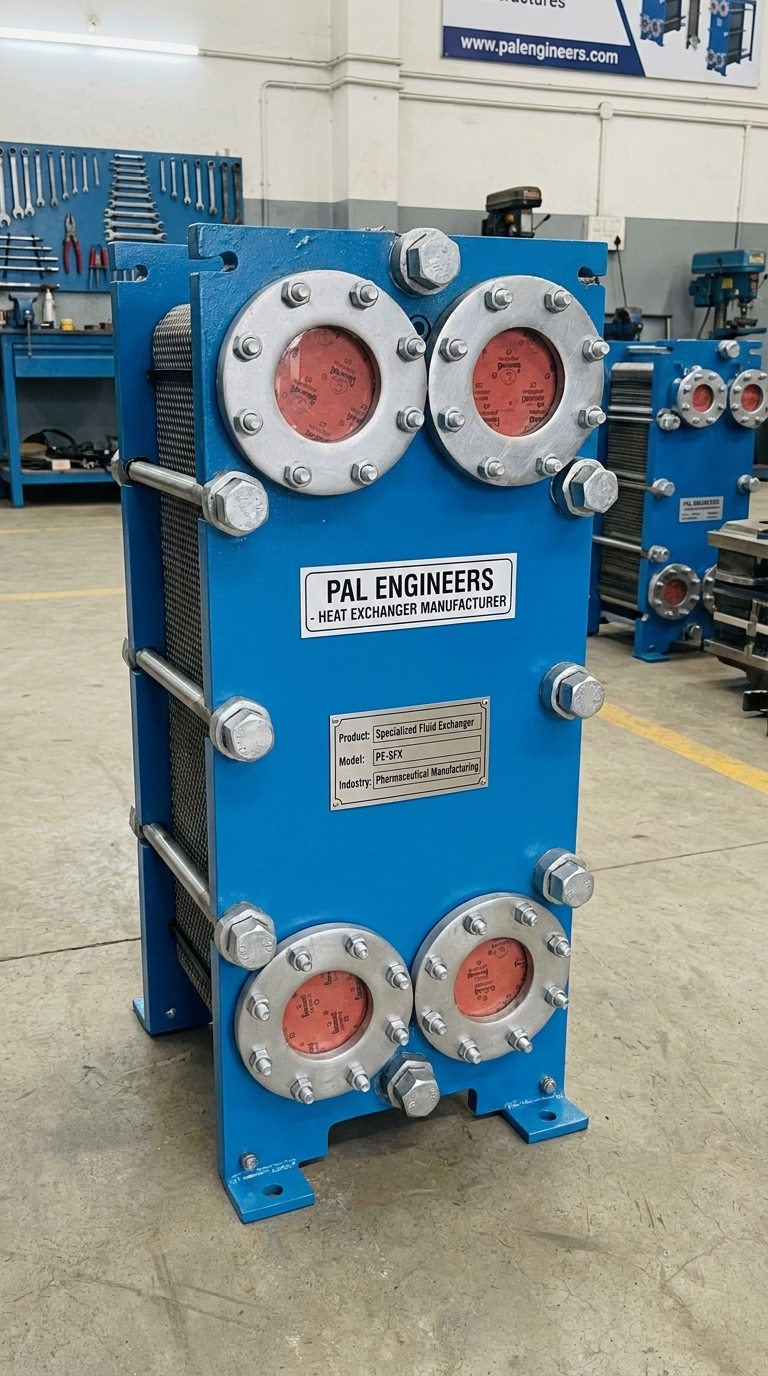
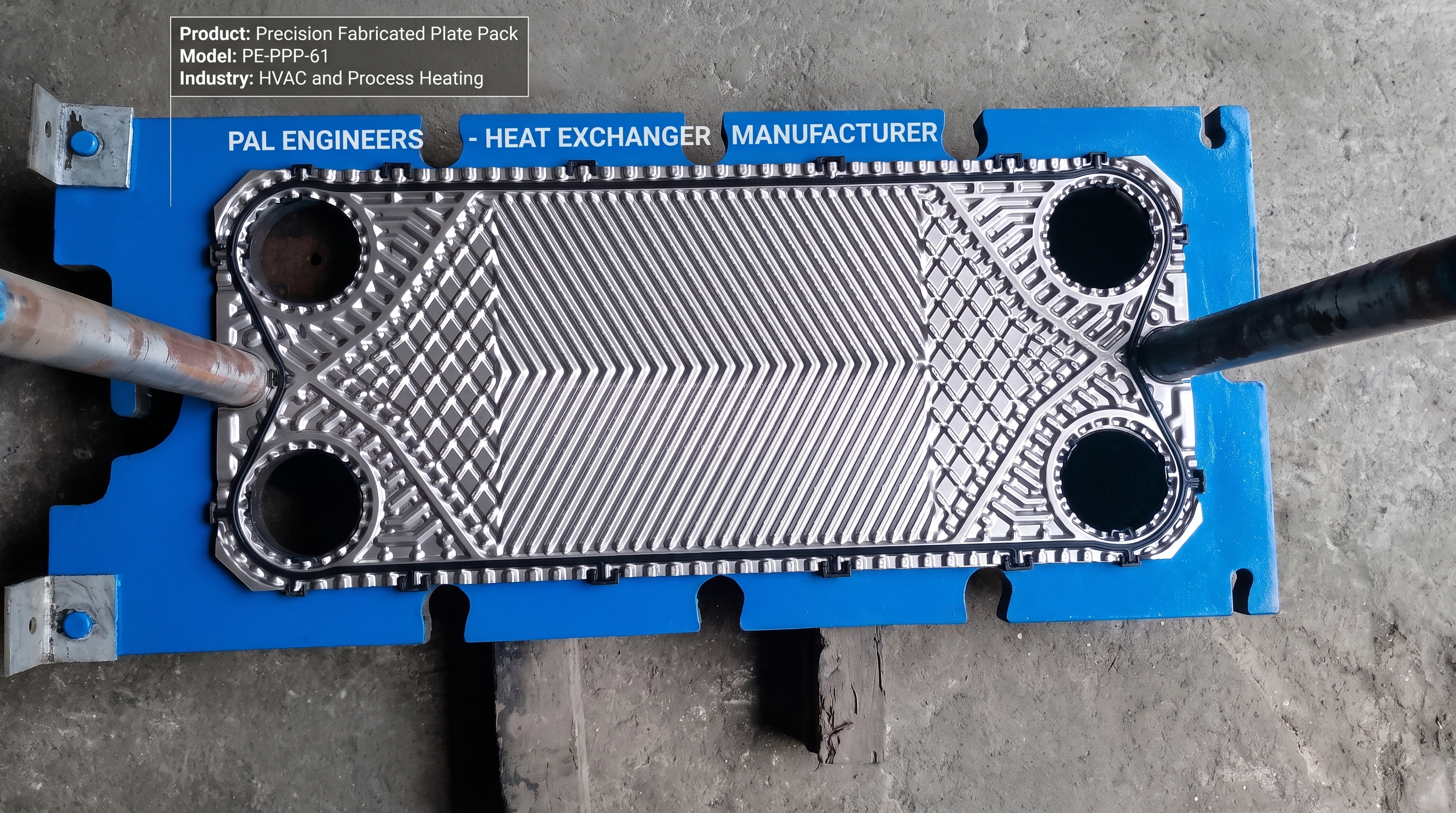
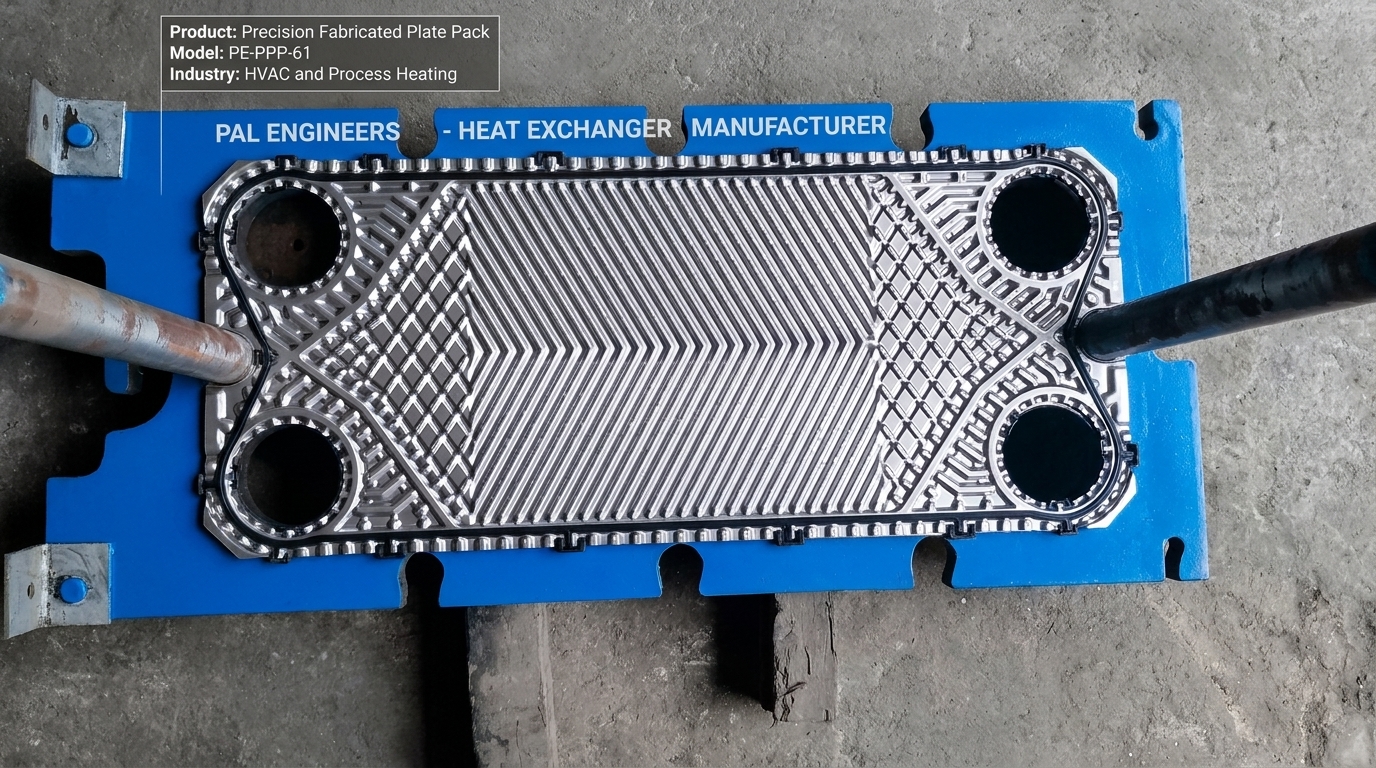
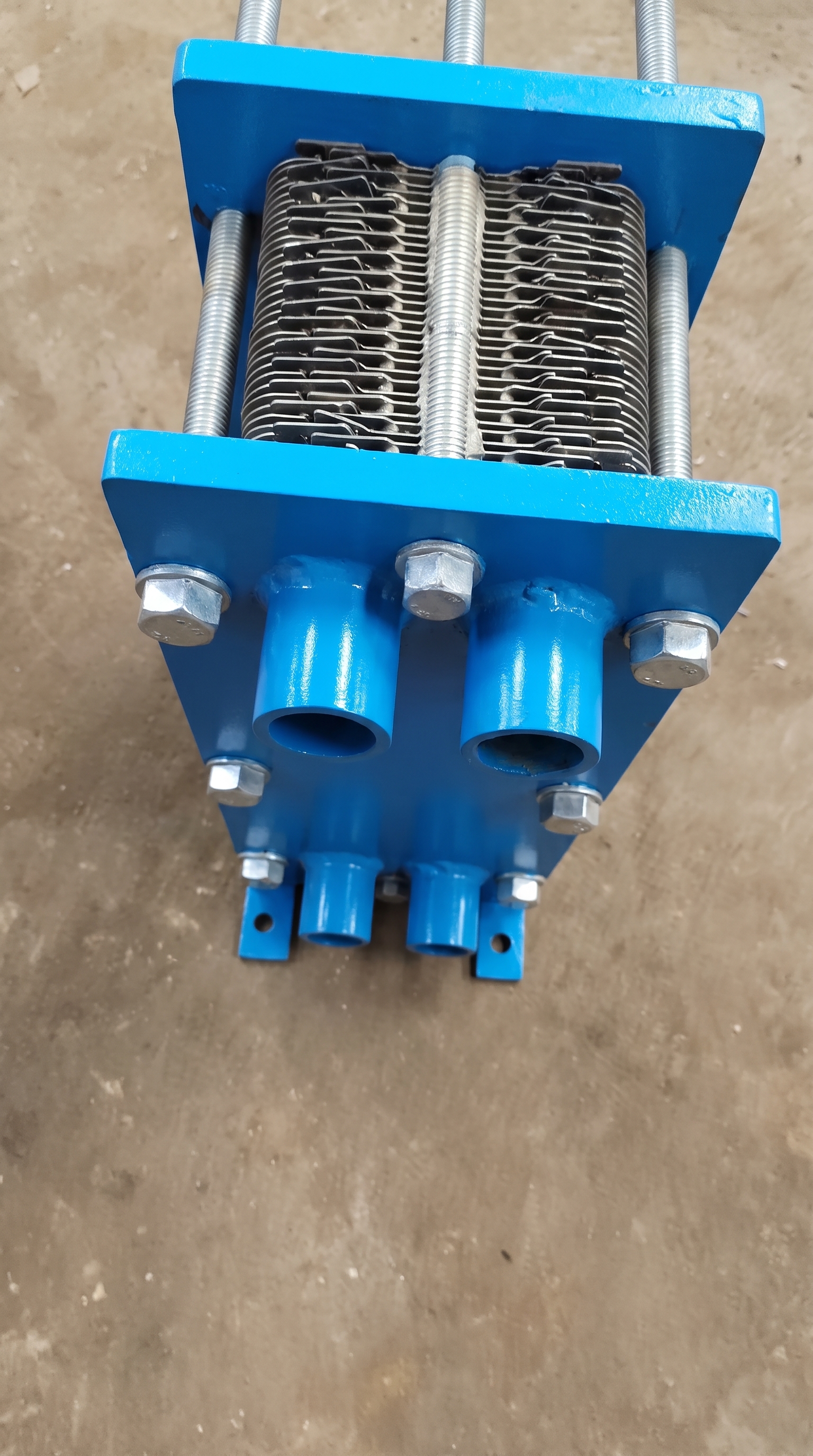
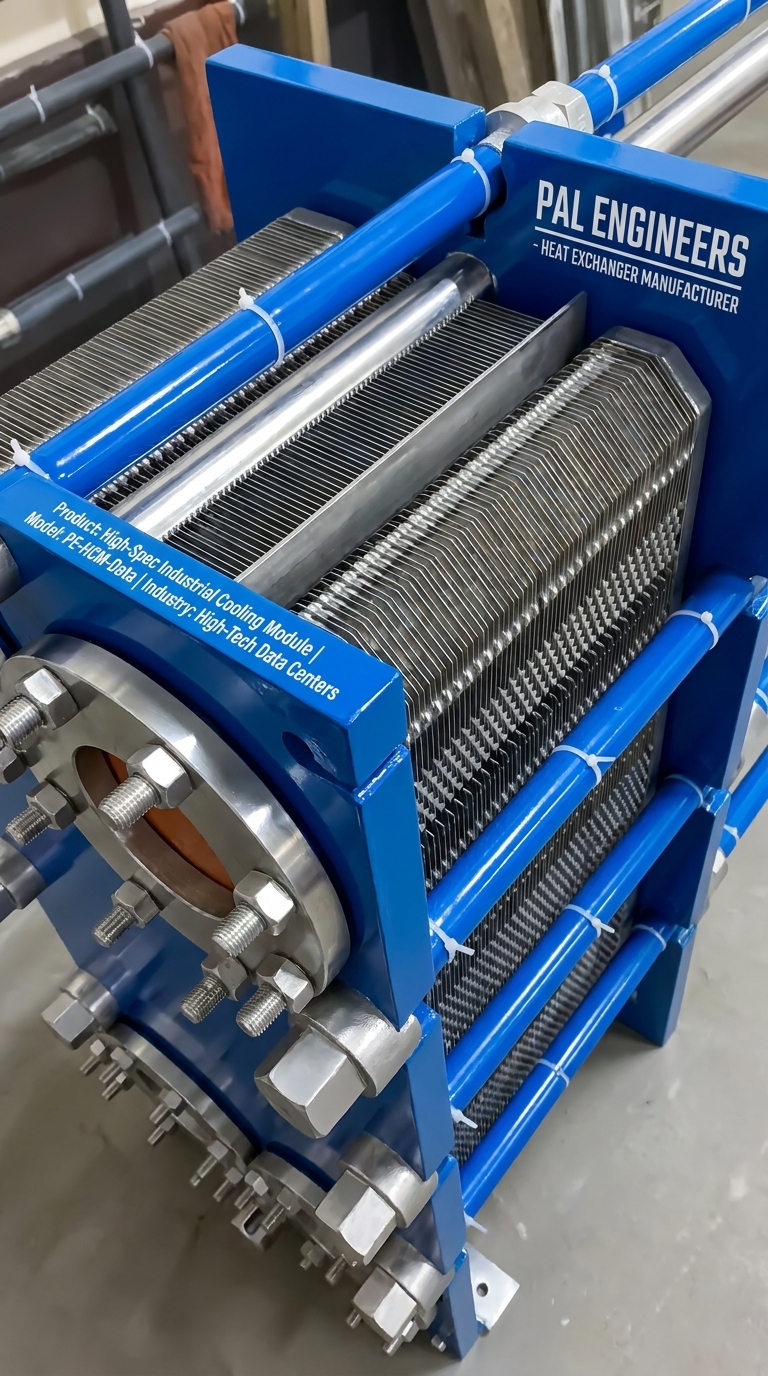
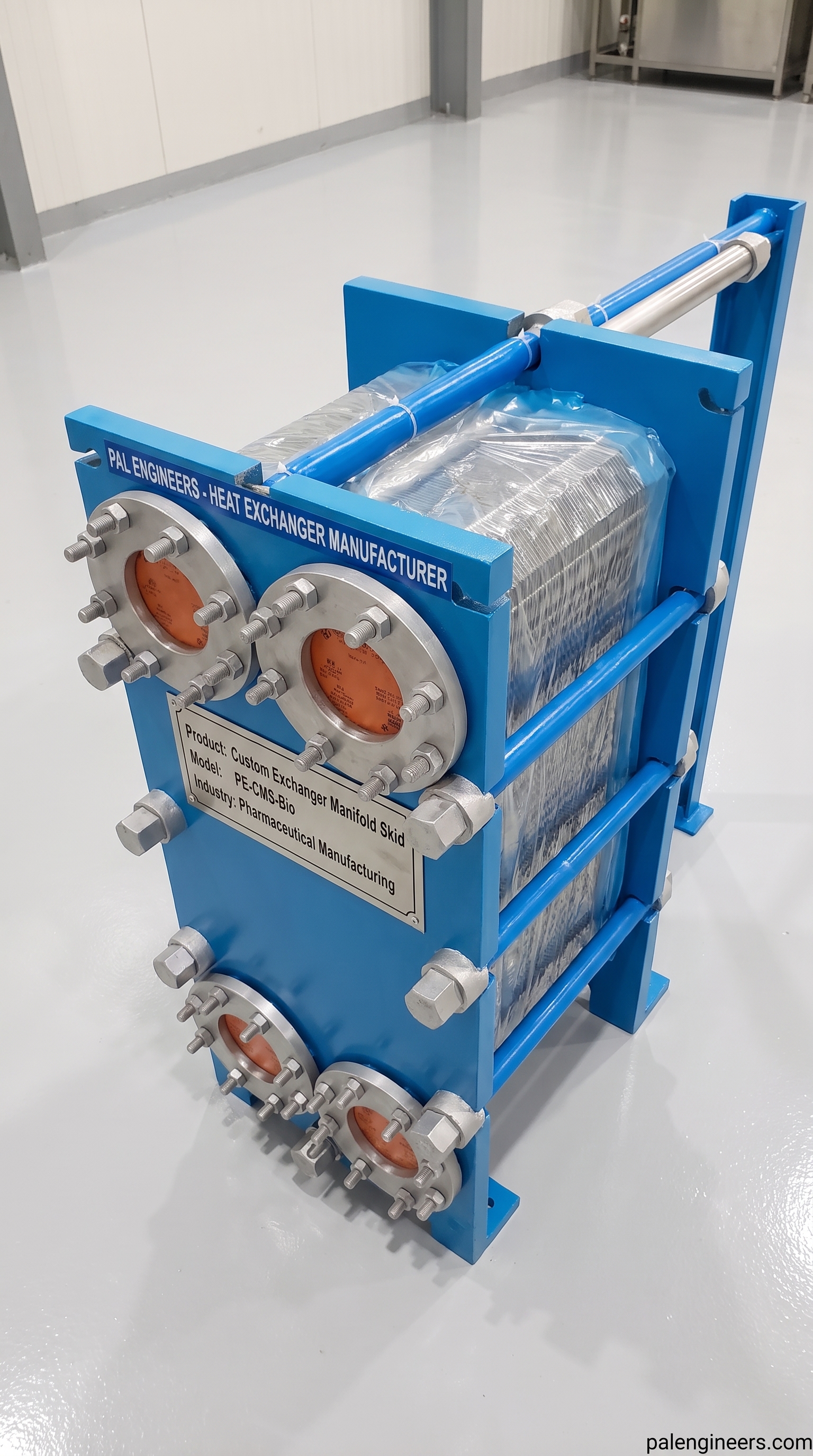
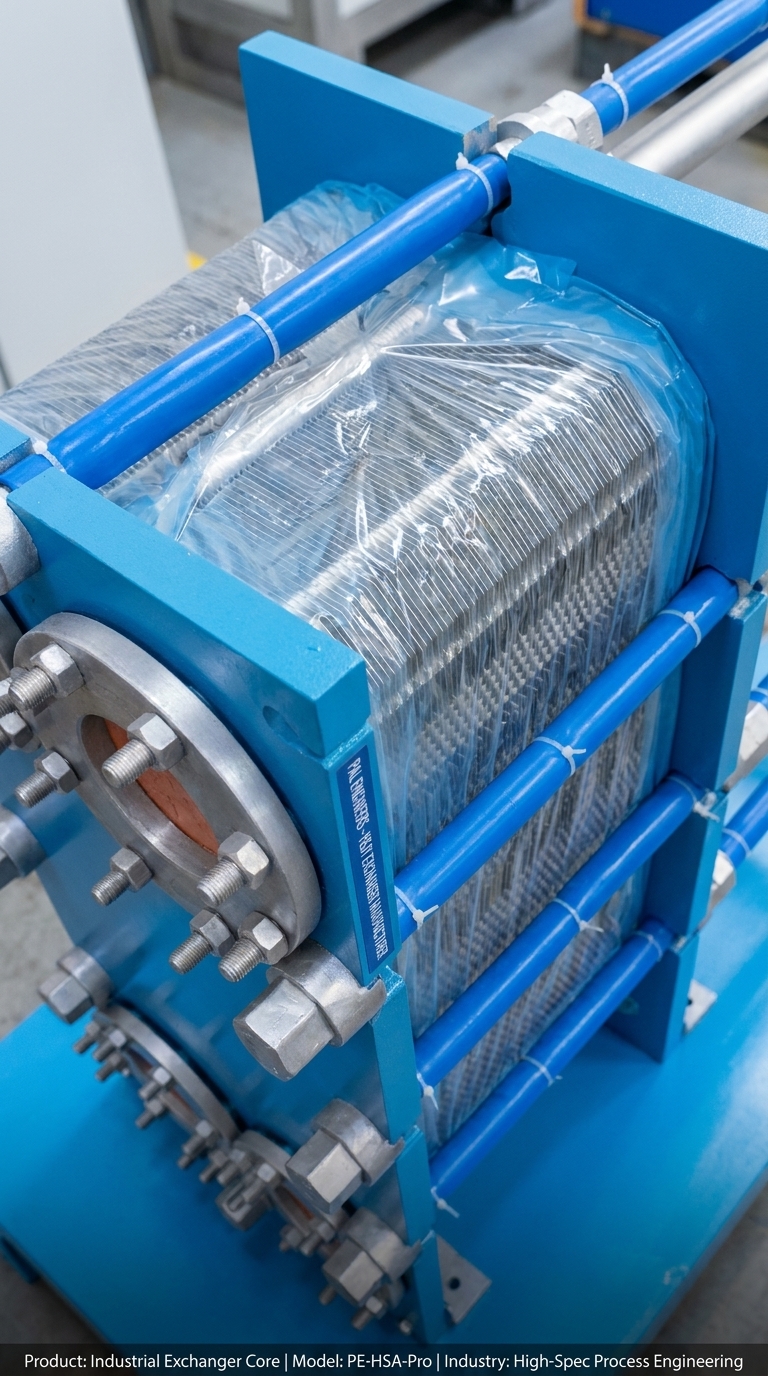
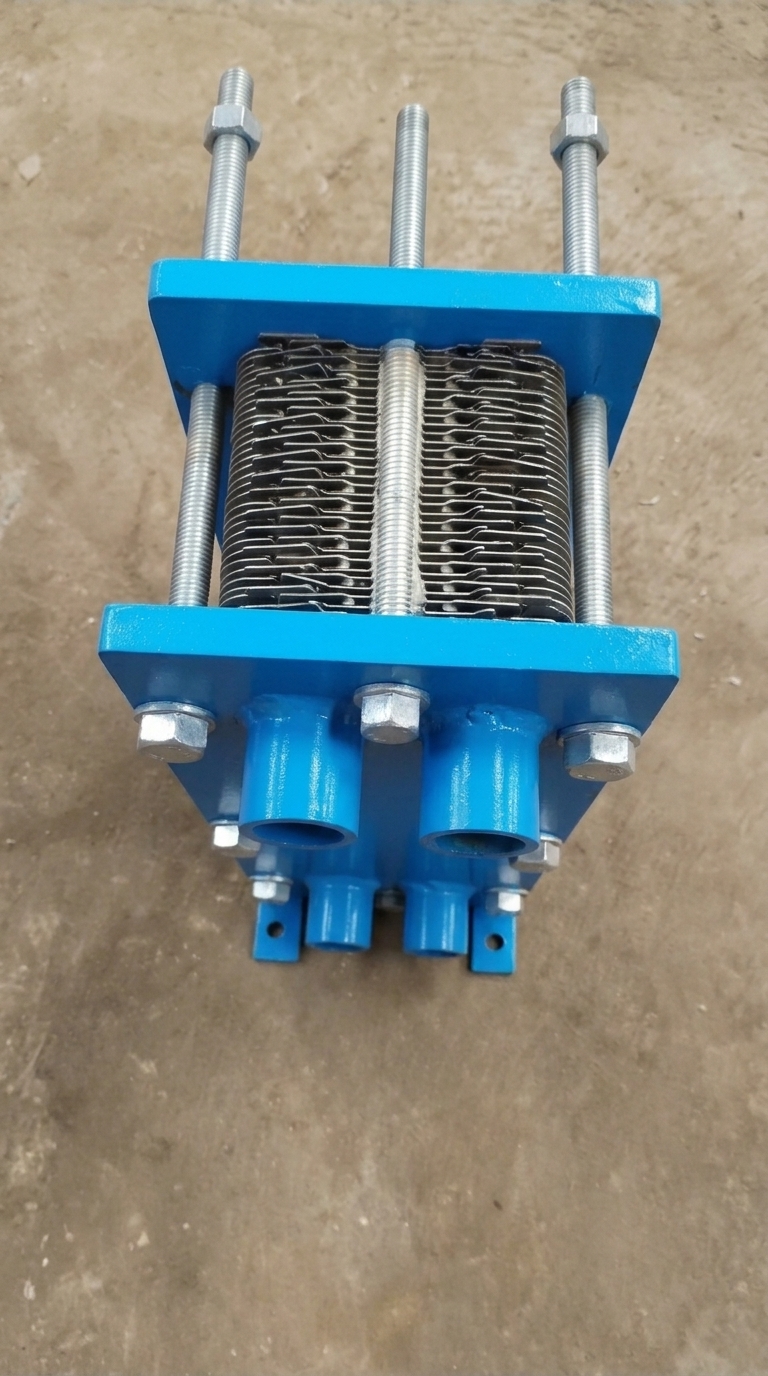
Our Wide-Gap Plate Heat Exchangers are the ultimate solution for processes plagued by blockages. Featuring specialized plate geometries with channels up to 3 times wider than standard GPHEs and devoid of traditional metal-to-metal contact points on the product side, they allow large fibers and heavy particulates to pass effortlessly while maintaining superior thermal efficiency.
Engineering Specifications
| Asymmetric Channel Gap | Product side: 8mm to 16mm / Utility side: 3mm to 5mm |
| Max Design Pressure | Up to 16 BAR (232 PSI) |
| Max Operating Temp | Up to 180°C (depending on gasket selection) |
| Plate Materials | SS 316L, Titanium, SMO 254, Hastelloy |
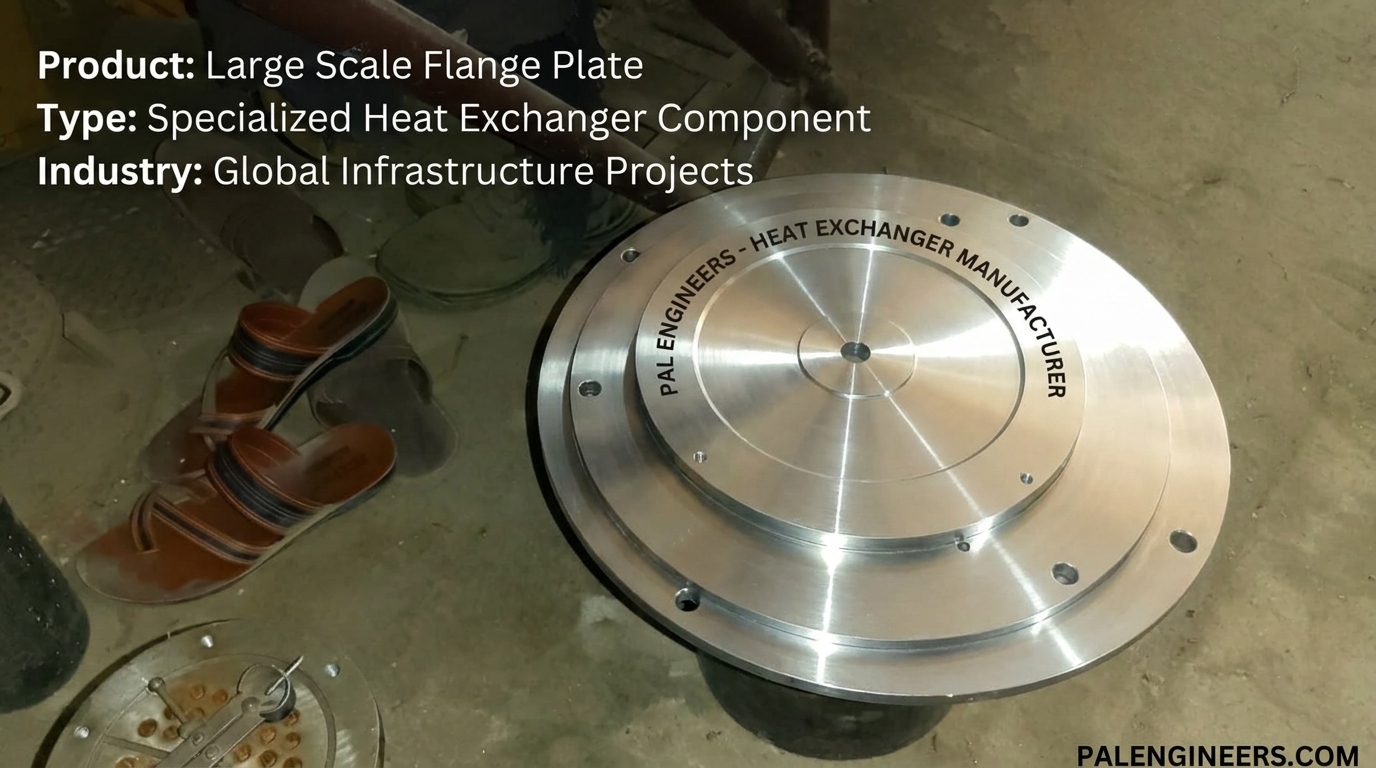
| Connection Sizes | DN100 to DN400 (4" to 16") |
Applications / Industries Served
Sugar & Ethanol
Heating raw juice, molasses, and fermented mash containing heavy organic fibers and high sugar content.
Pulp & Paper
Heat recovery from black liquor, white water, and highly fibrous pulp suspensions without constant clogging.
Wastewater Treatment
Digester heating and sludge cooling where municipal or industrial effluent contains solid waste.
Food & Beverage
Processing fruit juices with pulp, viscous sauces, tomato pastes, and dairy products prone to heavy fouling.
Mining slurries
Cooling abrasive and dense mineral slurries in extraction and refining processes.
Biogas Production
Thermal management of thick organic substrates and anaerobic digester sludge heating.
Core Features & Quality Assurance
Contact-Free Product Channels
Specially pressed coarse corrugations create a free-flowing product channel with zero metal-to-metal contact points, eliminating trap zones for particles.
Unmatched CIP Efficiency
The wide, smooth flow paths drastically improve the velocity of cleaning fluids, enabling ultra-fast, highly effective Clean-in-Place (CIP) cycles without manual opening.
Extended Operational Uptime
By resisting fouling and preventing blockages, these exchangers extend production runs significantly, slashing maintenance costs in high-viscosity applications.